

It was never just about a building. Not really. When news broke of the Tulum building demolition order targeting the Maiim development on Bahía Solimán’s fragile coastline, it wasn’t just concrete and glass in the crosshairs. It was a story of negligence, power, and the eerie silence of those meant to protect the land.
And in that silence, something roared.
A Court Order, and Then… Nothing
A federal judge in Quintana Roo ruled, unequivocally, that the Maiim building must be torn down. No nuance, no gray area. The reason? It stood as a blatant monument to environmental disregard, threatening one of Mexico’s most critical sea turtle nesting zones. The structure was erected without proper environmental impact permits, its towering frame casting a literal and symbolic shadow over the sanctity of Bahía Solimán.
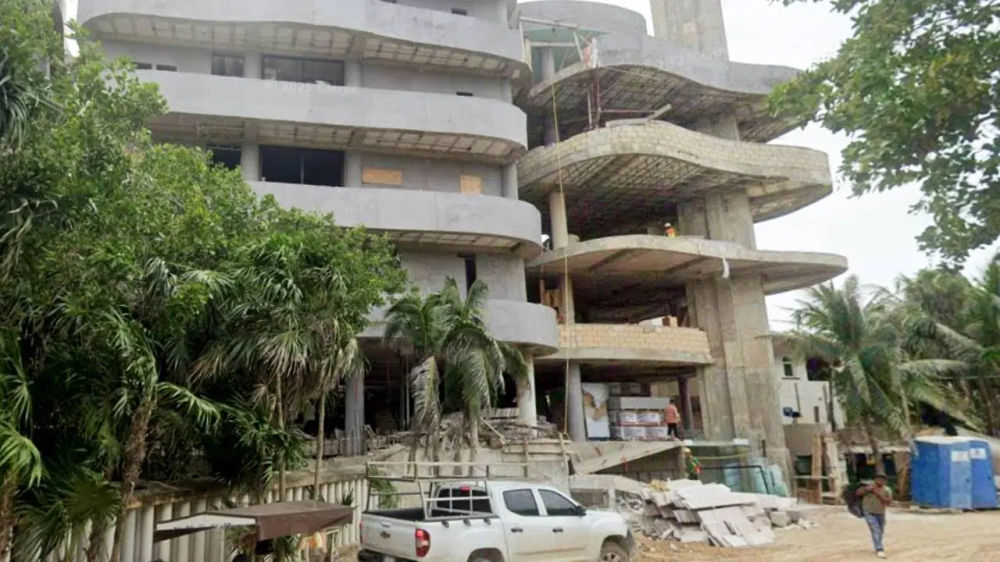
But what followed the order was even more damning than the building itself: a vacuum of official response.
According to the civil association Defendiendo el Derecho a un Medio Ambiente Sano (DMAS), none of the authorities involved, neither the federal environmental watchdog Profepa, nor Tulum’s municipal government, nor the state’s Sedetus, filed an appeal. Their inaction speaks volumes.
The Developer Stands Alone
DMAS, relentless in its legal pursuit, pulled back the curtain on what it sees as systemic complicity. “¿Qué autoridad apeló la sentencia del caso Maiim? Ninguna,” the organization stated plainly. None. It was only the developer who tried to reverse the demolition order, filing a revision request in what appears to be a desperate last stand.
It’s a curious picture: a developer alone at the appellate gates, while the very institutions charged with defending public interest sit idle, like watching a house fire while holding the hose and choosing not to spray.
A Sanctuary Threatened
Bahía Solimán isn’t just another picturesque shoreline. Nestled about ten kilometers from Tulum’s bustling center, it borders the Xcacel-Xcacelito Marine Turtle Sanctuary, a protected zone crucial for sea turtle nesting. Here, every grain of sand matters. Every artificial light, every vibration of machinery can tip the fragile balance that has taken nature millennia to build.
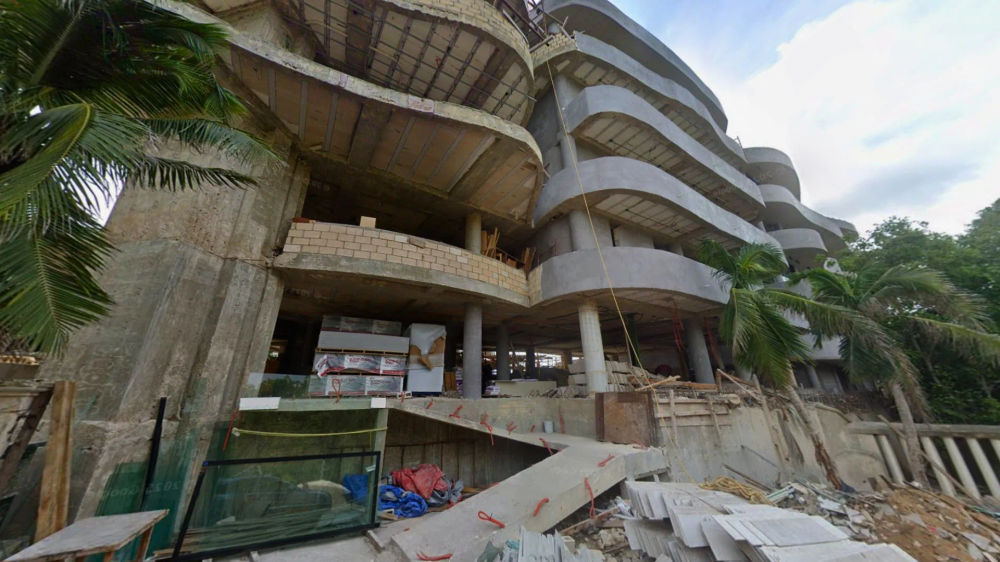
And yet, Maiim rose on this contested ground. Promising million-dollar beachfront units, it offered a paradise-for-sale while imperiling the very species that lend Tulum its ecological soul. It reminds one of a twisted fairytale: opulence built upon eggshells, fragile and fated to crack.
Permits, Politics, and a Pattern
The building didn’t sprout from nowhere. It was greenlit, astonishingly, by all three levels of government. DMAS argues those permits were irregular, rubber-stamped despite the glaring environmental red flags. So in August of last year, they filed a constitutional amparo, a kind of legal SOS.
And it worked. Kind of.
The judge responded. The court acted. But what happens when legal victories echo into a void of enforcement? What happens when the hammer comes down but no one picks it up?
Will the Walls Come Down?
As the developer’s appeal winds through legal gears, the structure still stands. Its shadow, both literal and legal, still stretches across the beach. Whether the Tulum building demolition proceeds now hinges not on laws, they’ve spoken, but on will.
Because in the end, the battle for Tulum’s coastline isn’t just about one building. It’s about precedent. About whether ecological law means anything when weighed against wealth. About whether anyone, really, is listening to the sand.
We’d love to hear your thoughts, join the conversation on The Tulum Times’ social media.