
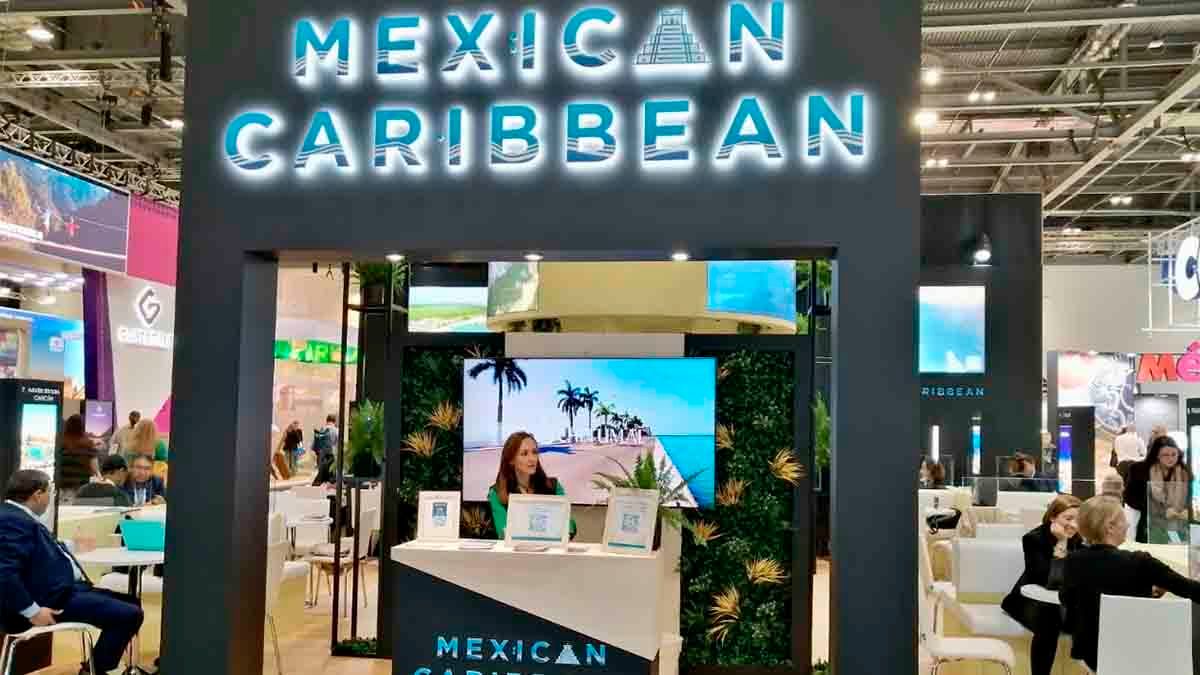
Two cities. Two powerful forums. One small Caribbean town making big moves.
Tulum, known for its white sands and jungle-chic charm, is turning its promotional compass toward Europe. The local Tourism Promotion Council announced this week that the destination will take part in two of the most influential events in the global travel industry: the International Tourism Fair in Paris (September 23–25) and the World Travel Market (WTM) in London (November 4–5).
The move isn’t just symbolic, it’s strategic.
Mario Cruz Rodríguez, president of the council, laid out the roadmap: a concentrated effort to establish Tulum as a global contender, with targeted campaigns aimed at high-value niches such as destination weddings, culinary tourism, and the ever-appealing sun-and-sea experiences.
“This isn’t just about showing up,” said Cruz Rodríguez in remarks shared with The Tulum Times. “It’s about sealing real deals that bring long-term results.”
Why Europe, and why now?
While Tulum already enjoys strong interest from North American travelers, its presence in the European market has been comparatively modest. But with shifting traveler habits post-pandemic and the rising demand for eco-luxury escapes, Tulum seems poised to capture more than just Instagram likes, it’s eyeing bookings, long stays, and serious revenue.
The Riviera Maya, particularly Tulum, has witnessed a steady influx of investment in boutique hotels, wellness resorts, and experiential tourism. But as the region grows, so does the competition, not only from neighboring Playa del Carmen and Cancún, but also from destinations abroad offering similar promises.
A focused European push could be a game-changer.

Face time in Paris and London
At both the Paris and London events, Tulum will have a presence within the Mexico Pavilion, backed by national tourism authorities and supported by private operators. The work agenda includes meetings with travel agencies, wholesalers, and tour operators that have shown interest in the Riviera Maya, particularly for the upcoming winter season.
These aren’t casual coffee chats. These are business-to-business meetings aimed at driving bookings for December and January, when the region typically hits peak occupancy.
“If we can secure partnerships in September and November, we’ll likely see those results materialize during high season,” Cruz Rodríguez noted.
The London forum, known for its fast-paced networking environment, is expected to be especially productive. Several deals are already in early talks, with eyes on quick turnaround packages that appeal to European travelers seeking warm winter getaways.

Tulum’s shifting narrative
There’s a quiet evolution happening in Tulum. No longer content with being a bohemian outpost for digital nomads and influencers, the town is carving out space in more traditional travel segments. Destination weddings have surged in recent years, especially among European couples drawn to the blend of beachfront luxury and ancient mystique. Culinary tourism, once an afterthought, is now a growing pillar, with chefs, mezcal sommeliers, and sustainable farmers reshaping the town’s gastronomic profile.
One local hotelier compared the strategy to “planting roots in fertile soil before the winter rush.”
And it’s not just about volume. The council’s goal is to bring in tourists who stay longer, spend more, and engage deeper with local experiences, from cenote dives and Mayan rituals to artisan markets and regional food tours.
Challenges and opportunities ahead
But international promotion is no silver bullet. The European travel market is competitive, fragmented, and increasingly driven by sustainability concerns. Tulum, while popular, still wrestles with issues like infrastructure strain, rising costs, and over-tourism in peak periods.
Still, the timing feels right. New infrastructure, including airport expansions and highway improvements, could soon enhance accessibility. And as global travelers grow more experience-focused, Tulum’s blend of nature, culture, and boutique luxury continues to stand out.
There’s also a sense of urgency. The coming years will likely define whether Tulum cements itself as a mature destination or remains a seasonal favorite.
“Diversifying our offerings is key,” said Cruz Rodríguez. “We’re not just selling beaches anymore. We’re offering layered, memorable journeys.”
It’s a statement that speaks volumes, and one that could resonate well beyond the cobblestoned streets of Paris or the grey skies of London.

What’s next for Tulum’s tourism playbook?
Looking ahead, the council plans to track outcomes from both European events, with early indicators expected by the end of the year. If the gamble pays off, more international roadshows could follow, perhaps in markets like Germany, Italy, or Scandinavia.
For now, all eyes are on two major cities, and what they might bring to the shores of Quintana Roo.
Tulum’s rise isn’t inevitable. But with bold moves like this, it’s certainly within reach.
We’d love to hear your thoughts. Join the conversation on The Tulum Times’ social media.
Will Tulum’s bet on Europe bring the sustainable growth it’s aiming for?