
It’s a strange moment to walk the streets of Tulum. The palm shadows stretch long across near-empty sidewalks that, not long ago, pulsed with tourists. The local mood is cautious, even restless. Yet behind the scenes, hotel owners, municipal leaders, and community groups are quietly preparing for what could still be a strong close to 2025.
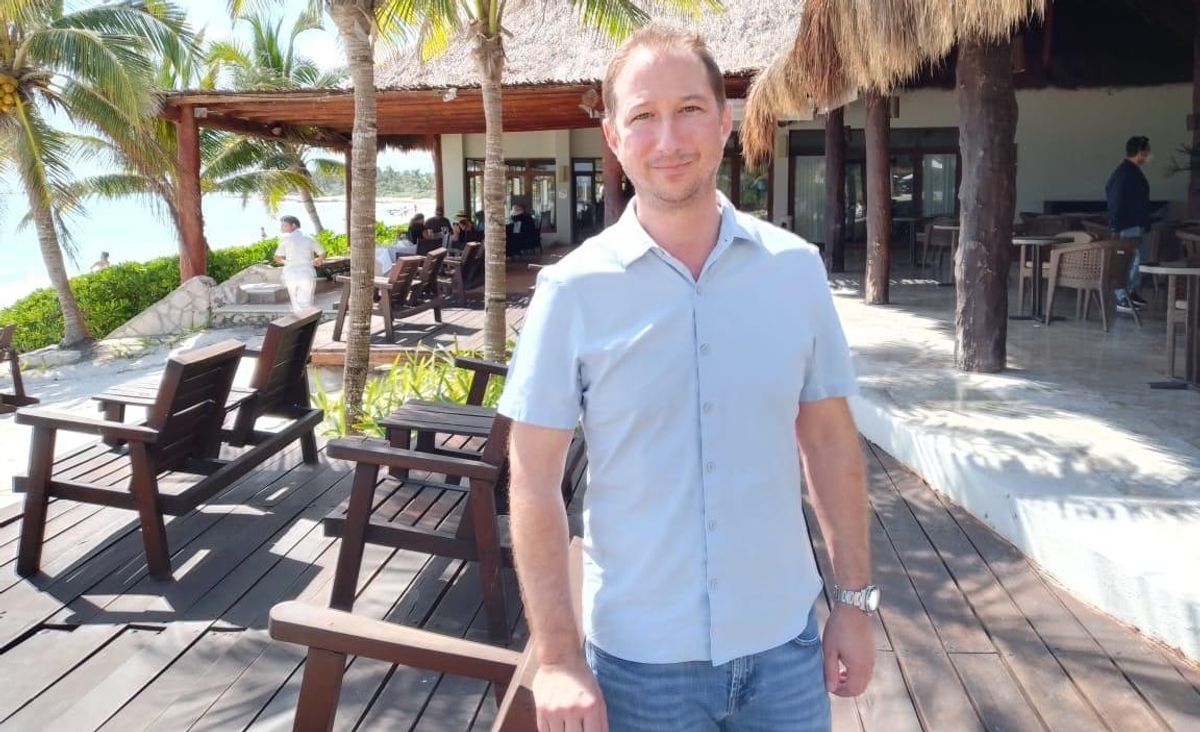
According to David Ortiz Mena, president of the Mexican Caribbean Hotel Council and the Tulum Hotel Association, projections show Tulum hotel occupancy in 2025 could surpass 80% by the end of the year. “It’s a complex situation,” he said, “but all sectors are working together to face the challenges and move forward.”
Context behind the slowdown
Since the summer, the destination has faced a noticeable decline in hotel occupancy. Some of it, Ortiz Mena explained, stems from external shocks: global economic uncertainty, a slowing U.S. market, and even the federal government shutdown in the United States, which disrupted flight operations and consumer confidence.
But the story isn’t just about macroeconomics. Locally, several unresolved issues have put pressure on Tulum tourism, from high transportation costs to inconsistent enforcement in public areas. One recurring complaint has been the triple fee charged for entry to Parque del Jaguar, a problem now being discussed with state and federal authorities.
A meeting of sectors
In recent days, hotel representatives met with municipal authorities and the taxi union’s general secretary. The conversation was candid, sometimes tense, but ultimately constructive. Together, they identified key challenges for the destination and agreed to create working groups to monitor progress and ensure accountability.
Those involved describe the session as a turning point. After months of online criticism and unverified social media posts, the focus seems to be shifting back toward collaboration and solutions.
Between facts and noise
Ortiz Mena acknowledged that Tulum’s reputation has been bruised not only by genuine incidents, such as cases of overcharging or reports of police abuse, but also by false narratives amplified online. “Many of the stories circulating on social media aren’t verifiable or are simply false,” he said.
In that sense, the information war has become almost as important as the tourism one. The spread of misleading posts can directly affect traveler confidence, especially among first-time visitors who rely on digital impressions to make their decisions.
A local hotel manager recounted how one viral TikTok video falsely showing an “abandoned resort” led to a wave of cancellations that week. “It took us days to clarify it wasn’t even filmed in Mexico,” she said, laughing softly. “But damage travels faster than truth.”
Progress and perception
Security has improved, Ortiz Mena emphasized, though perception remains a sensitive issue. “We must enhance our visitors’ experience from the moment they land in Cancún Airport, through the Highway 307 corridor, and, of course, during their stay in Tulum.”
This journey, stretching from Cancun’s arrivals hall to Tulum’s beach clubs, often defines the visitor’s entire impression of the Riviera Maya. For returning tourists, minor changes are noticeable: smoother roads, better signage, more visible patrols. For newcomers, though, the destination still oscillates between idyllic paradise and messy construction zone.
Comparing with regional neighbors
When contrasted with Cancún or Playa del Carmen, Tulum’s recovery has been slower but more deliberate. Industry analysts say its smaller size and dependence on boutique accommodations make it more sensitive to fluctuations in flight demand and traveler sentiment. Yet those same qualities also give it resilience.
The Caribbean Mexico hotel sector has shown that destinations capable of balancing authenticity and safety tend to rebound faster. Tulum’s task now is to rebuild confidence without losing its identity, a delicate equation in a place where “eco-chic” still collides with urban sprawl.
Toward a unified response
For Ortiz Mena and his peers, the message is clear: progress depends on coordination. The new working tables will bring together public officials, hoteliers, and transport representatives. Each will track improvements in specific areas such as road safety, visitor communication, and regulatory consistency.
The idea, one participant explained, is not to produce more meetings but more measurable results. “If visitors see that complaints are addressed and rules are enforced equally, trust will return.”
Reflection on credibility and tourism
The bigger challenge, though, might be intangible, trust. In a town where information spreads faster than the sea breeze, credibility has become a currency. And recovering it could take longer than rebuilding a road.
“Tulum’s story is often told by outsiders,” said one tourism promoter. “But those who live here know the community is trying, every single day, to make it better.”
That sentiment captures both frustration and hope. It also hints at a broader truth: Tulum’s global allure has always been fragile, depending not only on white sand and turquoise waters but on the perception of authenticity and safety that sustains them.
As Ortiz Mena put it, “We’re not denying our problems, we’re addressing them.” It’s a quote that feels designed for headlines, or for reflection.
What lies ahead
Heading into the high season, Tulum hotels are cautiously optimistic. Advanced bookings show steady growth, and the mood among operators suggests confidence in a rebound. Whether that translates into sustained recovery will depend on external economic winds, and on the community’s ability to work together.
For now, the consensus is simple: reality is more complex, but also more hopeful, than social media makes it seem.
The Tulum Times will continue monitoring the progress of these initiatives and their impact on residents and visitors alike.
In the end, what’s truly at stake is more than numbers or percentages, it’s the shared future of a place that has become both symbol and test of Mexico’s tourism resilience.
We’d love to hear your thoughts. Join the conversation on The Tulum Times’ social media. What do you think Tulum needs most to recover its shine?