
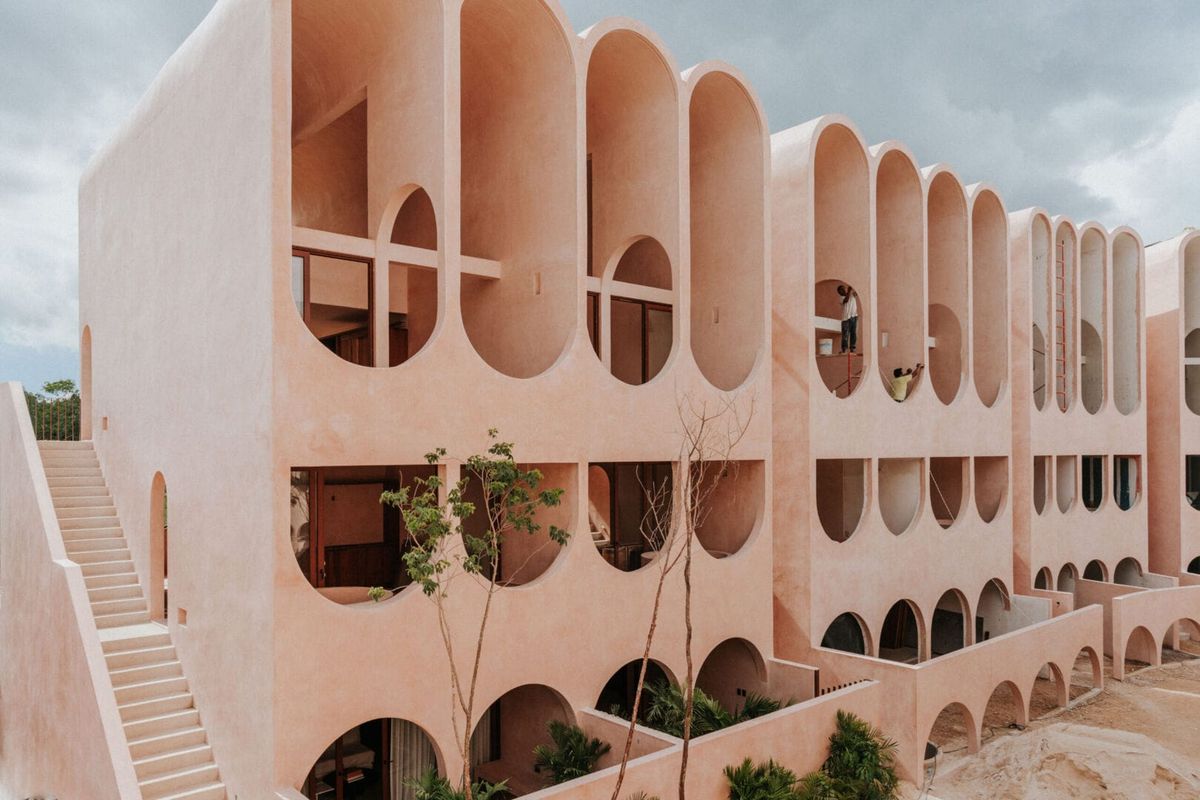
On November 21, 2025, Tulum will host more than a conference. It will host a vision, a promise, and the beginning of a new identity. The First International Biennial of Caribbean Architecture is set to ignite this coastal town, shifting its image from a haven of sun and serenity to a beating heart of design, dialogue, and cultural reinvention.
This transformation is no accident. It is strategy, ambition, and storytelling made concrete.
A City Reimagined
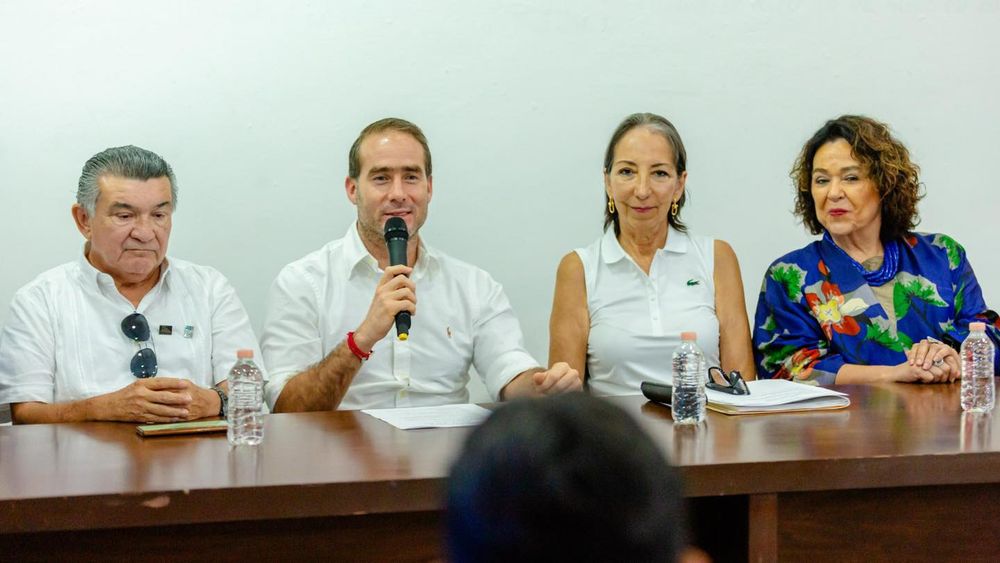
Standing before reporters under the vast skies of the Yucatán Peninsula, Tulum’s mayor, Diego Castañón Trejo, delivered the news with quiet conviction. “Este encuentro nos diversifica como destino,” he said. This meeting, he insisted, is not about showcasing buildings. It is about reshaping identity.
He is not wrong. For years, Tulum has been reduced to a tropical fantasy. Think sun-kissed beaches, cenotes like portals to another world, and influencers doing yoga on paddleboards. But the Tulum emerging from this Biennial? That is a town aiming to pull up a chair at the global table of culture and innovation. A town ready to host “proyectos y actividades que fortalezcan nuestro desarrollo turístico y cultural.”
A Global Dialogue in Concrete and Coral
This is not a boutique event. Seventeen countries will be represented. Architects, designers, thinkers, and doers will gather in one of Mexico’s fastest-growing municipalities to wrestle with architecture’s most urgent questions. How do we build for a climate crisis already unfolding? What does sustainability look like on land that carries both the weight of ancient civilizations and the fragility of rising seas?
Guadalupe Portilla Manica, president of Tulum’s College of Architects, unveiled the Biennial’s four central pillars with both precision and passion. This is not architecture for its own sake. It is architecture with purpose.
Sustainable Architecture in the Face of Climate Change
No longer theoretical, climate change is a lived experience here. Salt corrodes. Storms arrive uninvited. What was once permanent is now provisional. In Tulum, to design is to respond.
Conservation and Adaptation of Architectural Heritage
In this town, Maya ruins are not museum pieces. They are neighbors. Any new structure must contend with the wisdom, and warnings, of the past.
Innovative Design for Island and Coastal Contexts
This is not Milan or Montreal. This is the Caribbean. Here, sea-level rise is not a graph; it is a tide creeping ever closer. Designs must float, bend, or yield.
Integration of Local Culture in Contemporary Projects
Buildings must listen. To stories. To language. To land. A structure without cultural roots is not architecture. It is packaging. And Tulum has no interest in being packaged.

Not Just Brains, But Business
It would be easy to dismiss the Biennial as academic, a gathering of intellectuals sketching theories over cocktails. But this event aims to be as practical as it is poetic.
A central feature is a competition that invites architects, urban planners, professors, and students to bring their visions to life. Not just as concepts, but as real, buildable interventions. This is not about presentation. It is about participation.
And for Tulum, this matters deeply.
For too long, tourism has been the town’s sole engine. But economic monocultures, like biological ones, are vulnerable. The Biennial suggests another path. One where international events, cultural programming, and intellectual exchange create a more balanced and resilient economy.
From Palm Trees to Portfolio Reviews
Tulum is often reduced to a fantasy. Turquoise waters. Jungle-chic hotels. Mezcal with a side of mysticism. But spend more than a few days here, and the contradictions become impossible to ignore.
Rapid development clashes with fragile ecosystems. Lavish resorts bloom beside communities still lacking clean water or reliable power. The result? A tension ripe for reflection. And for transformation.
The Biennial could mark a turning point. Not just for how architecture is practiced in the Caribbean, but for how tourism itself is imagined. Less extraction, more exchange. Less spectacle, more substance.
Mayor Castañón Trejo is placing a bold bet on this vision. His administration is backing public-private collaborations designed to make the Biennial a lasting institution. Not a one-off event, but the foundation of a broader redefinition of what Tulum can be, and who it is for.
Will the bet pay off? That remains uncertain. But on November 21, all eyes, architectural and otherwise, will be on Tulum.
And as always, The Tulum Times will be there to cover the story, ask the hard questions, and keep the conversation going.
The image corresponds to Babel Tulum.