
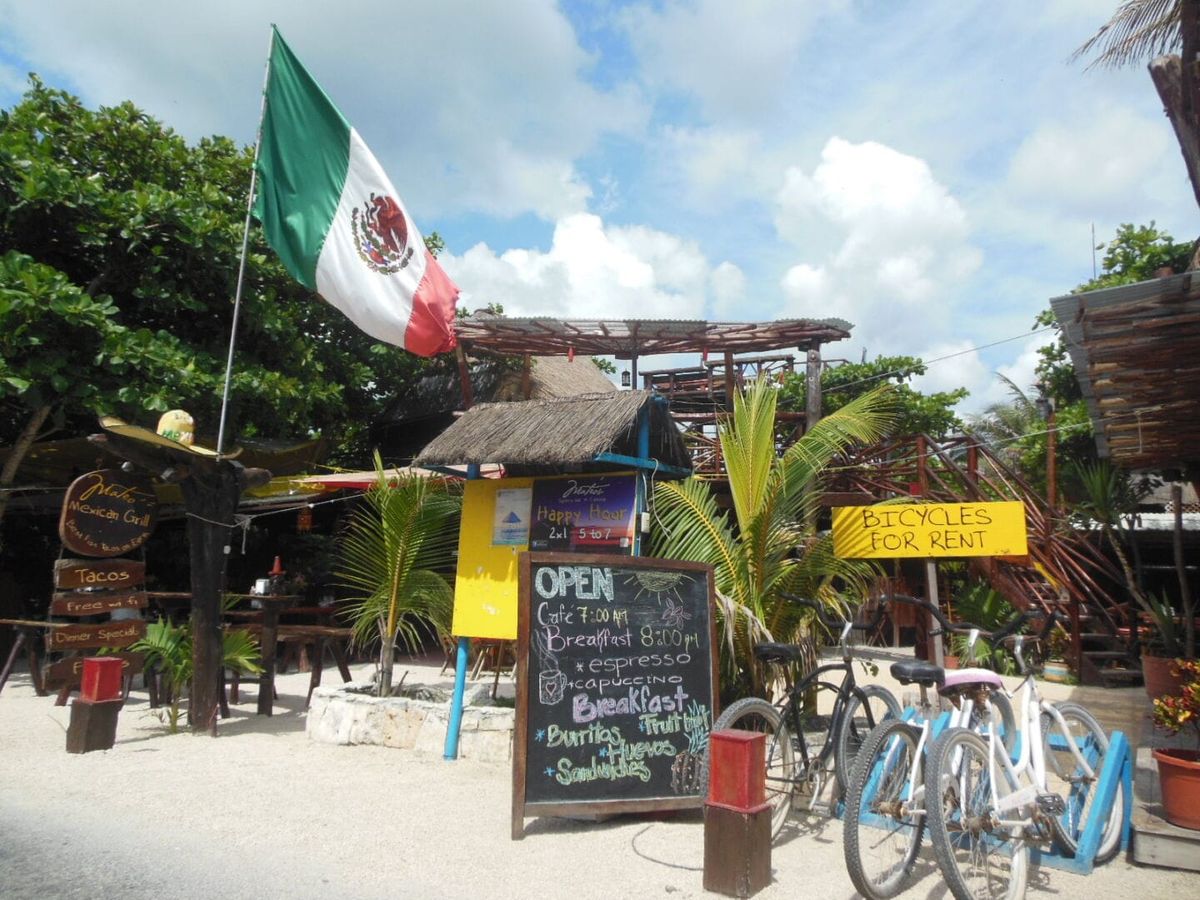
The hum of anticipation, usually a vibrant thrum in Tulum, has softened to a whisper. It’s that time of year again, when the tide of visitors recedes, leaving beachfront properties feeling a little too spacious, and the air pregnant with a different kind of energy. For Tulum entrepreneurs, the seasonal ebb of low season tourism isn’t just a calendar mark; it’s a profound shift, a challenge that can make or break a year. This year, something feels different. There’s a palpable sense of urgency, a collective leaning in, exemplified by the recent tourism forum and the quiet intensity of business proposals being hammered out, all aimed at off-season strategies that could redefine what this town means when the crowds thin out.
## The Quiet Before the Storm, Or Just a Lull?
We all know the rhythm here. The high season, a frenetic symphony of bookings and bustle, gives way to a quieter hum. But this year, the whispers aren’t just about weathering the storm; they’re about navigating it, maybe even harnessing it. The conversations around the recent forum felt less like a lament and more like a strategy session. People are talking about real things, cash flow, staff retention, and the deep, unsettling quiet that creeps in when the last charter flight leaves.
It’s an ecosystem, right? And when one part of the system struggles, it ripples through everything. From the small handicraft vendor whose daily sales vanish, to the boutique hotel owner staring at empty rooms, the impact is pervasive. We’re talking about livelihoods, about families. And the collective anxiety, while quiet, is very real.
## Off-Season Strategies: A New Blueprint for Tulum Entrepreneurs
What happens when the party ends? This is what everyone is really asking. You hear the same questions whispered in coffee shops and shouted across the bar. How do we keep this place alive? How do we thrive instead of just survive? This year, the answers aren’t just wishful thinking. They’re concrete.
Consider the notion of breaking cycles. For too long, we’ve been dependent. A bit like a plant in a hothouse, flourishing when conditions are perfect, but struggling when the temperature drops. The new approach, the one being discussed with such fervor, is about cultivating resilience. It’s about diversifying the soil, so to speak.
The talk at the recent discussions centered on a multi-pronged approach. There’s a push for attracting long-stay visitors, those digital nomads and wanderers who crave authenticity over peak season crowds. But it’s not just about filling rooms; it’s about enriching the community. Imagine a new kind of visitor, one who truly integrates, who shops locally, learns a bit of the language, and becomes a temporary resident rather than just a tourist passing through.
And there’s the emphasis on cultural tourism. Not just archeological sites, though they remain vital, but the living, breathing culture of Quintana Roo. Gastronomy, art, music – these are things that don’t depend on the calendar. Promoting these experiences, truly embedding them into the fabric of the low season, could be transformative. Think of a culinary festival in September, or an art fair in November. These aren’t just events; they’re magnets for a different kind of traveler.
## From Business Proposals to Tangible Shifts
The energy around these business proposals feels different now, almost urgent. There’s a renewed sense of collaboration. Longtime rivals are sitting down together, not to compete, but to create. It’s like watching different instruments in an orchestra, each with its unique sound, learning to play in harmony to create something bigger, something more beautiful.
The call for more direct flights, particularly from new markets, resonates strongly. It’s about accessibility. And the push for a deeper dive into sustainable tourism practices isn’t just a buzzword here; it’s a necessity. We’ve seen the impact of unchecked growth. The very essence of Tulum, its unique magic, relies on balance.
Also, there’s a quiet consensus that the local government needs to be a more active partner. Not just in terms of infrastructure, though that’s critical, but in genuinely understanding the pulse of the local economy during these leaner months. Subsidies, perhaps, or incentives for businesses that invest in off-season offerings. Imagine a comprehensive marketing campaign, launched not just for the peak, but specifically designed to lure the curious and the calm during the quieter months. It’s about more than just surviving the low season; it’s about strategically embracing it.
This isn’t just about making ends meet. It’s about building a stronger, more resilient Tulum. A place that thrives year-round, not just when the sun shines brightest and the crowds descend. The conversations are deep, the stakes are high, and for the first time in a while, it feels like everyone is truly pulling in the same direction.
We’d love to hear your thoughts, join the conversation on The Tulum Times’ social media.