
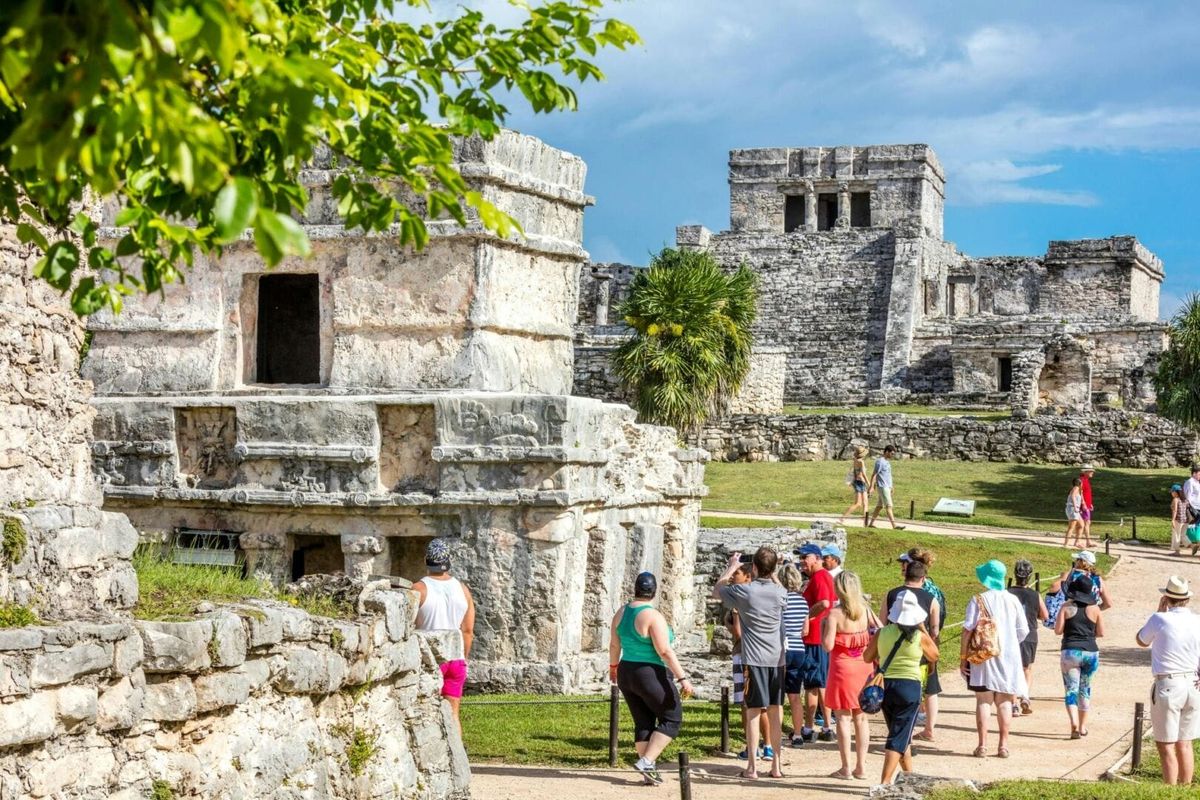
In the shadow of Tulum’s ancient city walls, a quiet tension has begun to build. The once-busy path leading to the archaeological site now echoes with fewer footsteps, and longtime business owners are sounding the alarm. A dramatic decline in tourist numbers is putting livelihoods, and decades-old businesses, at serious risk.
A Season That Feels Strangely Empty
Gerardo Méndez knows these roads better than most. As the manager of Arventur Bikers Tulum, one of the oldest establishments near the traditional entrance to the ruins, he has seen tourism ebb and flow over the years. But this season, he says, feels different.
“This season started far below what we used to record,” Méndez explained. “There’s a noticeable drop in visitor arrivals.”
His words are echoed by other shopkeepers in the area who describe a sharp downturn that’s left them with more questions than customers. For those who’ve built their lives around tourism, this isn’t just a slow spell, it’s an existential threat.
Rising Entry Fees and the Cost of Preservation
Many local business owners point to one major change that could be fueling the decline. In recent months, new entrance fees have been introduced, not just for accessing the archaeological zone but also for entering the beaches located within the Jaguar National Park.
“Now they charge not just for the ruins, but also to enter the beaches,” Méndez said. “It turns off many visitors, especially those on tighter budgets.”
Historically, Tulum stood out for its blend of cultural richness and free public access. It was a place where a traveler could explore ancient temples by morning and enjoy a sunset swim without barriers. That accessibility, however, is starting to fade, and visitors are taking notice.
According to shopkeepers, these new charges may be pushing budget-conscious travelers toward other areas in the state or even other parts of the country. They worry that Tulum’s image as an open, culturally vibrant destination could be slipping away.
A Warning Sign for the Local Economy
What happens when foot traffic slows? For many small businesses near the traditional access point, it means fewer sales, shorter work hours for staff, and in some cases, serious questions about whether to keep their doors open.
“We’re afraid this trend could reroute the tourist flow entirely,” Méndez warned. “If nothing is done soon, this area could go dark.”
For families who have spent generations welcoming travelers, this isn’t just about economics, it’s about identity. These businesses aren’t corporate franchises. They’re living pieces of local history. And right now, that history is hanging by a thread.
A Call for Dialogue and Balance
Local entrepreneurs aren’t resisting change just for the sake of it. Most agree that preserving Tulum’s natural and archaeological heritage is critical. But they also believe it’s possible to protect those treasures without sacrificing the very communities that have helped make Tulum a global destination.
That’s why many are calling on the Jaguar National Park administration and the National Institute of Anthropology and History (INAH) to open a transparent, honest dialogue. They want to find common ground, a solution that protects the environment and cultural heritage while supporting the businesses that rely on access and affordability to survive.
The Uncertain Road Ahead
For now, the mood around the traditional entrance to the walled city is heavy with uncertainty. The shops are still open, the signs still hang, and the tour bikes are still parked outside. But beneath the surface, there’s growing concern that, without immediate action, this part of Tulum could slowly fade from the map.
And if that happens, it won’t just be businesses that disappear. It will be a part of Tulum’s soul.