

How do you cook a town’s soul into two days of fire and flavor? Tulum might be about to find out.
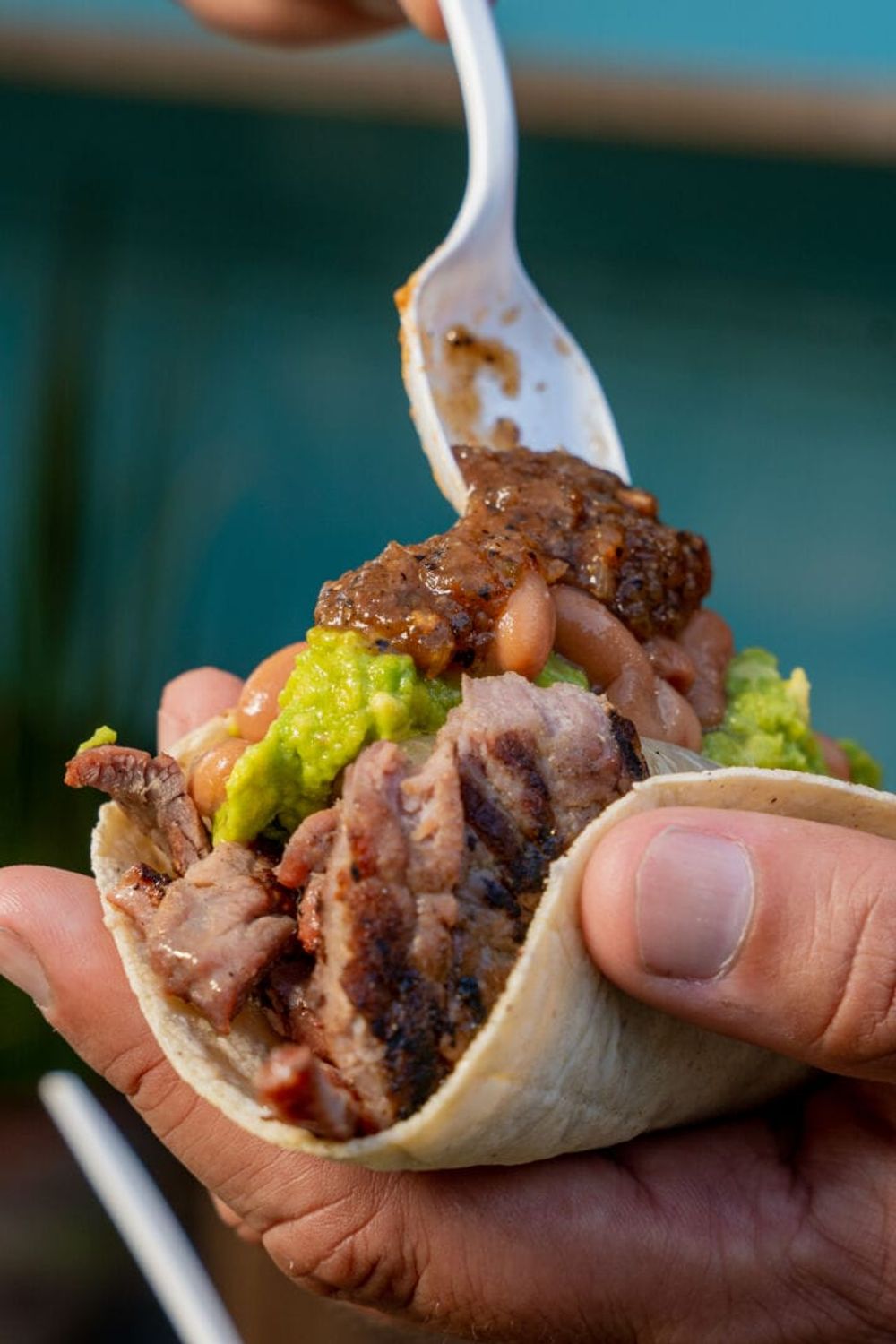
On September 27 and 28, the town will host the first-ever Parrillero Fest, a sizzling celebration of local gastronomy with 25 participating businesses and an expected economic boost surpassing 450,000 pesos. It’s not just about food, though, it’s a full cultural immersion, promising laughter, music, identity, and, of course, a good helping of grilled perfection.
Cooking More Than Food
Melitón González Pérez, Tulum’s director of Economic Development, believes the event could draw impressive foot traffic from across the Riviera Maya. “We’re expecting strong attendance,” he noted, emphasizing the diversity on offer: from signature dishes crafted by acclaimed chefs to open-air food truck flavors under the Caribbean sky.
But the fire won’t just be on the grills. On Sunday, popular Yucatecan comedian Pier Navit will bring his sharp-tongued humor to the stage, fresh from a streak of sold-out shows across the peninsula. Organizers are also finalizing the appearance of a second headline comic for Saturday, doubling down on the weekend’s entertainment quotient.
This mix of culinary talent and live performance is part of a larger vision. “This festival isn’t only about food,” González added. “We’re building an experience. One that includes folklore, pre-Hispanic music, and a vibrant sense of community.”
More Than Beaches and Cenotes
For many tourists, Tulum’s name conjures up turquoise waters and Instagrammed ruins. But Haidé Hernández Pastrana, director of Tourism Promotion, sees Parrillero Fest as a way to challenge those expectations.
“Tulum is not just beaches and cenotes,” she said. “It’s culture. Its identity. It’s the flavors passed down through generations.” She also credited Mexico’s federal tourism board, SCTUR, for spotlighting events like these across national promotional platforms.
It’s a sentiment echoed across the local government. Mayor Diego Castañón Trejo has reportedly pushed for cultural programming that directly benefits the community, reinforcing tourism’s value not only as a spectacle for visitors, but as a driver of local livelihoods.
And livelihoods are exactly what the fest aims to nourish. José Eduardo López Moras, director of Planning and Economic Strategies, put it bluntly: “We’re proud to create events that boost our economy and tourism. Promoting our culinary heritage, our customs, our traditions, this is what development looks like.”

From Tacos to Empanadas: A Microcosm of Tulum’s Culinary Scene
The participant list reads like a map of Tulum’s street corners and open kitchens. From Cow Boy Tacos and Walicho to Casa Empanada and Loco Tulum, the event brings together a patchwork of local institutions, some gritty, some gourmet.
There’s Tulum Food Trucks for those seeking casual bites, Noah Tulum for upscale twists, and Delek for those craving refined rusticism. Even iconic names like Dreams Tulum, Nomade, and Casa Banana have joined in, cementing the event’s hybrid appeal: high-end meets home-cooked.
It’s not hard to imagine the smoky scent of cochinita pibil or grilled octopus curling into the air as marimbas beat softly in the background.

Tulum’s Culinary Future is Local
Events like Parrillero Fest are more than weekend diversions, they’re markers of a deeper shift. As Cancun and Playa del Carmen lean heavily into mass-market tourism, Tulum appears to be carving its own flavor-first path.
The bet? That culture, cuisine, and community can compete with club nights and package tours.
And maybe they’re right. After all, what’s more memorable than breaking bread with strangers under a starlit canopy, surrounded by fire pits and folklore?
The Tulum Times will be watching closely, not just to cover the sizzle but to see whether this model of microeconomic celebration becomes a trend.
What’s at Stake
In a region often measured in hotel occupancy and tourist arrivals, Parrillero Fest stands out for aiming at something slower, more soulful. It’s about reclaiming space, identity, and narrative through the simple act of gathering and grilling.
We’d love to hear your thoughts. Join the conversation on The Tulum Times’ social media.
Will food festivals become the new cultural currency of Tulum?