

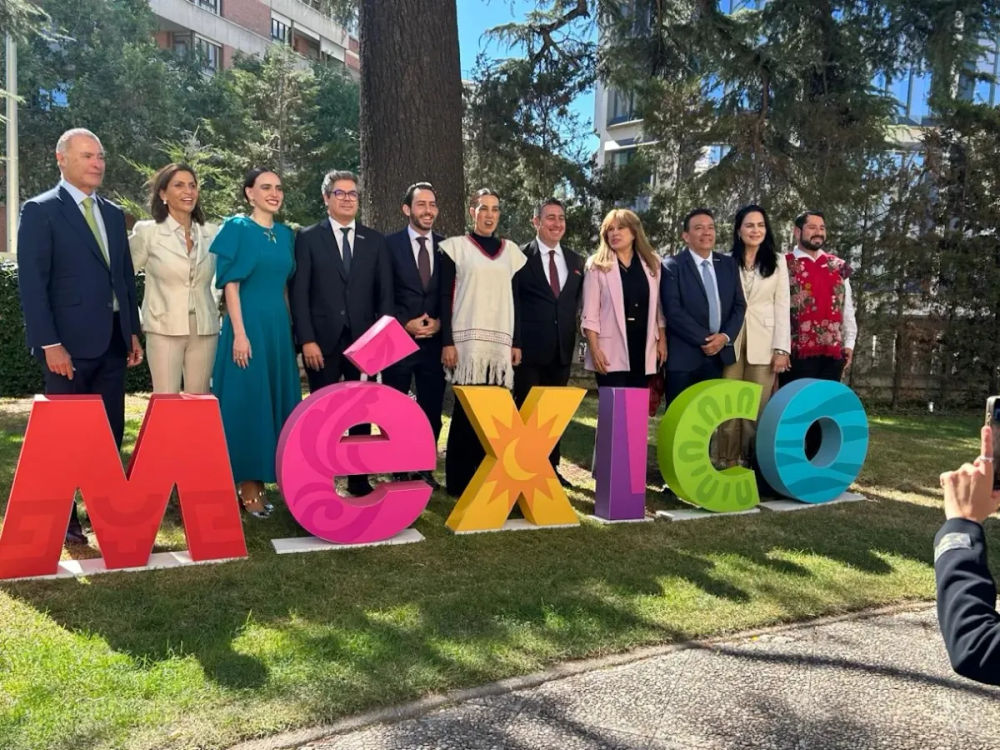
During the opening of the International Tourism Fair (FITUR 2026), Mexico emerged as one of the central protagonists of the event, presenting a unified national tourism strategy with the participation of all 32 states. The country used the Madrid-based fair, held from January 21 to 25, to showcase a diversified, competitive tourism offer aimed at European and global markets.
Mexico’s delegation highlighted experiences that integrate nature, gastronomy, cultural heritage, wellness, and sustainability. From Aguascalientes to Zacatecas, state representatives emphasized the breadth of tourism products available across the country, reinforcing Mexico’s position as one of the world’s most varied travel destinations.
Within this national presentation, Tulum stood out as a strategic reference point for Mexico’s current tourism vision. Officials framed the destination as an example of how cultural heritage, natural surroundings, and wellness tourism can coexist within a development model designed for international travelers.
Tulum’s profile at FITUR centered on its balance between Maya archaeological heritage, protected ecosystems, and a wellness offering that has gained global recognition. Authorities noted that this combination aligns with evolving traveler preferences, particularly in European markets, where demand for culturally grounded and environmentally responsible destinations continues to grow.
Connectivity and infrastructure strengthen Tulum’s position
Mexican officials emphasized that improved connectivity has been a decisive factor in Tulum’s rising international profile. Expanded air routes and the growing operational impact of the Tren Maya were cited as key elements facilitating access to the Mexican Caribbean and strengthening regional integration.
The addition of new transportation links has positioned Tulum not only as an end destination but also as a gateway to broader travel circuits across southeastern Mexico. Authorities described this connectivity as essential to distributing tourism flows more evenly and supporting longer visitor stays.
Federal representatives underscored that Tulum reflects the type of tourism development Mexico is promoting internationally: sustainable, culturally responsible, and designed to generate long-term value rather than short-term volume. While acknowledging ongoing challenges associated with growth, officials presented the destination as a reference point for future planning efforts.
A platform for alliances and investment
Mexico’s participation in FITUR 2026 was framed not only as a promotional effort but also as a strategic platform for building alliances and attracting investment. Government officials and tourism leaders held meetings with international tour operators, investors, and industry stakeholders to explore new business opportunities.
The fair provided a space to reinforce Mexico’s message as a reliable, competitive tourism partner capable of adapting to changing global travel trends. Representatives highlighted the importance of diversification, positioning the country beyond traditional sun-and-beach travel while maintaining the strength of destinations like the Mexican Caribbean.
According to federal authorities, the visibility generated at FITUR is expected to support negotiations related to infrastructure, hospitality projects, and experiential tourism initiatives across multiple regions.

Quintana Roo’s strategic presence
The Secretariat of Tourism of Quintana Roo confirmed that the state maintained a strategic, high-impact presence at FITUR 2026. Officials said the goal was to reinforce the state’s global positioning while presenting destinations such as Tulum within a broader narrative of sustainability and cultural respect.
Quintana Roo’s delegation focused on promoting diversified experiences, including wellness tourism, nature-based activities, and cultural routes, alongside its well-established coastal offerings. The state’s participation aligned with national efforts to present Mexico as a multifaceted destination capable of meeting a wide range of traveler interests.

FITUR’s global relevance
The 2026 edition of FITUR once again reaffirmed the fair’s status as one of the most influential tourism events worldwide. With participation from governments, destinations, airlines, hotel groups, and tour operators, the event continues to play a central role in shaping international tourism agendas.
For Mexico, the fair offered an opportunity to present a cohesive national strategy while highlighting destinations that embody its development priorities. Tulum’s role within that strategy underscored the country’s intention to promote tourism models that balance growth with cultural and environmental responsibility.
As international travel continues to stabilize and evolve, Mexico’s challenge will be to convert the visibility and partnerships generated at FITUR into sustained benefits for destinations across the country. For Tulum, the stakes lie in maintaining its international appeal while managing growth in line with the principles promoted on the global stage.
We’d love to hear your thoughts. Join the conversation on The Tulum Times’ social media.
Do you believe Tulum can maintain this development model as international demand continues to rise?