

You don’t hear it at first, the slow grind of cement mixers behind the palm trees, the murmurs of workers laying tile by flashlight after sundown. But walk a few blocks off Tulum’s Instagram-perfect streets and it’s there: a market reinventing itself, brick by brick, promise by promise.
Tulum’s real estate in 2025 isn’t a gold rush anymore. It’s something more complex. After years of dizzying expansion, fueled by speculation, crypto money, and digital nomads seeking paradise, the town now stands at a pivotal juncture. Stabilization has arrived, but so has reckoning.
What happens after the boom ends? The answer lies somewhere between the dust of Region 15 and the rooftop pools of Aldea Zama.
A Market Grows Up: Stabilization with Scars
The days of easy 20% annual appreciation are over. Prices have cooled, and that’s not a crisis, it’s a correction. According to multiple analysts cited by The Tulum Times, property values are now appreciating at a steadier 5–10% annually, more in line with global coastal destinations that have weathered similar booms.
Still, not all segments are created equal. Overbuilt condo markets, especially small one-bedroom units in Centro and La Veleta, have seen declines of 10–20% from their 2022 peaks. Meanwhile, eco-villas, luxury beachfront homes, and land in growth corridors like Region 15 continue to perform well.
And this shift isn’t just economic, it’s psychological. Investors are no longer rushing in blind. Buyers are asking questions. Some are pulling out. Others are digging in deeper.
At www.rivieramayaresidences.com, where prospective buyers browse curated listings across the Riviera Maya, agents say there’s a noticeable difference in the tone of conversations. “It’s less about flipping,” one agent told us. “More about living.”

Between Bohemia and Bulldozers: A Neighborhood Breakdown
Tulum’s neighborhoods now wear their reputations like badges, or battle scars.
In Aldea Zama, the sidewalks are smooth, the cafés are curated, and the condos gleam like polished stone. Prices reflect this polish: two-bedroom units easily fetch $300,000 or more. It’s safe, walkable, and undeniably upscale, but some longtime locals quietly call it “Tulumpolitan.” A lifestyle imported, not grown.
Contrast that with La Veleta, where jungle lots rub shoulders with boutique hotels, art galleries, and unfinished concrete shells. Studios start around $120,000, and there’s an undeniable rawness that appeals to the free-spirited. But the infrastructure is a gamble, one street might be paved, the next a muddy trail.
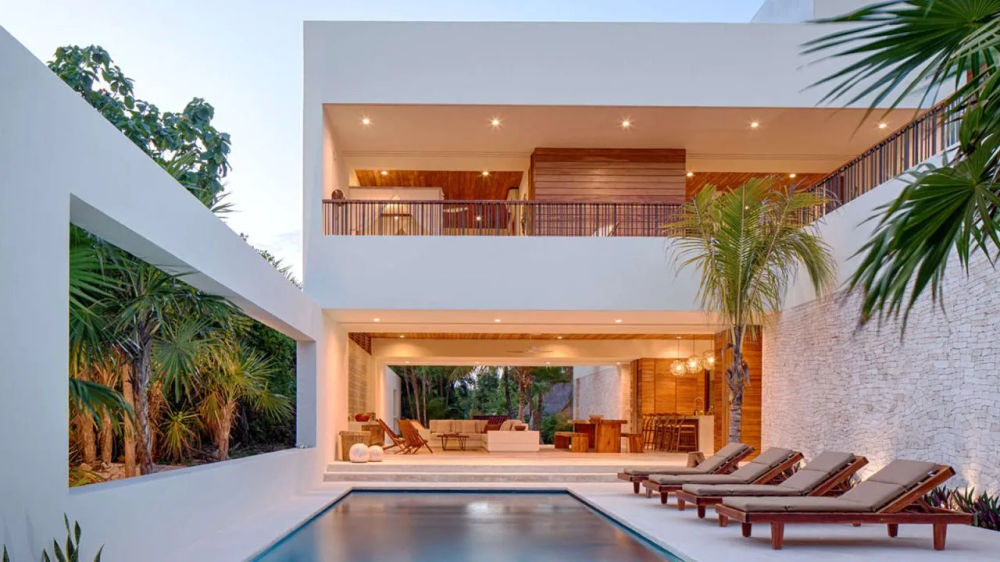
Further out, Region 12 and Region 15 offer the frontier of possibility. Here, $150,000 might get you land for a dream home, if you can endure dust, noise, and power outages. But these areas are where eco-projects flourish, aligned with Tulum’s green ethos.
Then there’s Centro, the oldest part of town. It’s chaotic, noisy, and full of life. Real Tulum, some would argue. You can find walkable, affordable units here, often 20–30% cheaper than in polished zones. But with traffic and limited amenities, it’s not for everyone.
Still unsure? www.rivieramayaresidences.com lets you explore side-by-side comparisons of these micro-markets, complete with drone views and zoning insights.
Playa del Carmen Grew Up. Will Tulum?
To understand Tulum’s future, look north.
Playa del Carmen once offered the same wild promise, booming tourism, cheap land, and rapid vertical development. Today, it’s a mature market with stable returns, overbuilt areas, and a clear downtown-core divide. Investors there learned, sometimes painfully, that not every project pans out, and not every vision sells.
Tulum now stands where Playa did 15 years ago. The question is: will it evolve with the same pragmatism, or will overdevelopment dilute its allure?
Unlike Cancún, which surrendered to mass tourism long ago, Tulum still clings to its eco-luxury identity. But as cranes dot the skyline and zoning conflicts rise, that identity is increasingly tested.
Rent or Buy? Depends on What You Value
For digital nomads and short-term dreamers, renting remains the wiser choice. The oversupply of small condos has created a tenant’s market, and occupancy rates have dropped to 49% in some developments. This has led to improved rental deals, better amenities, flexible leases, even rooftop coworking spaces thrown in.
But for those planning to stay three years or more, or generate long-term rental income, buying makes financial sense, especially in undervalued zones or unique properties. The short-term rental market still offers yields of 8–15% in prime areas, with units in beachfront and eco-conscious developments leading the pack.
As always, it comes down to strategy. Buyers willing to weather short-term volatility for long-term gain should look closely at appreciating areas like Region 15 or boutique eco-villas in Soliman Bay.

Buying Property in Tulum: Not for the Naïve
Mexico’s property laws aren’t a minefield, but they’re not a walk on the beach either.
Foreigners can buy in Tulum, even in coastal zones, through a fideicomiso, a bank trust that allows ownership while complying with national restrictions. It costs about $500–$700 a year, and is a must-have for anyone buying within 50km of the shoreline.
You’ll also want airtight due diligence. Ejido land, communal property without a clear title, still circulates in some developments. Without a real estate lawyer and AMPI-registered agent, your dream home could become a legal nightmare.
The total cost of acquisition? Expect 5–8% in taxes, legal fees, and closing costs. And never hand over money without escrow.
Human Stories Beneath the Numbers
Not all buyers come for ROI.
Take Ingrid and Marco, a couple from Barcelona who bought a three-bedroom villa in Region 15. “We wanted to raise our kids somewhere with more sky,” Ingrid told The Tulum Times. They moved during the pandemic, fell in love with the land, and now run a yoga retreat two blocks from a dirt road.
Or Julio, a developer from Mérida, who’s doubling down on eco-construction with bamboo, solar panels, and composting systems. “If Tulum doesn’t preserve what makes it different,” he said, “it’ll become Cancún with jungle décor.”

What the Next Five Years Might Bring
Infrastructure is a wild card.
The new international airport and the Maya Train are expected to increase tourism flow, and by extension, property values. But they also bring pressure: on roads, water systems, and the fragile ecological balance that made Tulum desirable in the first place.
The rise of eco-conscious development is no longer just a niche, it’s the market’s beating heart. Properties that integrate sustainability, community, and low-impact living are outperforming generic high-rises. That’s not an accident. It’s alignment.
Buyers in 2025 want more than ROI. They want story, symbolism, and soul.
Final Reflection
Tulum’s real estate landscape is no longer a playground for fast money. It’s become a test of vision and values. Do you want authenticity or comfort? Raw land or turnkey luxury? Jungle stillness or curated design?
The good news: there’s room for all of it. But you have to know what you’re looking for, and be willing to accept the messiness that comes with growth.
Because in Tulum, nothing is finished. And maybe that’s the point.
We’d love to hear your thoughts. Join the conversation on The Tulum Times’ social media.
What does your version of Tulum look like, and is it still possible to find it?