
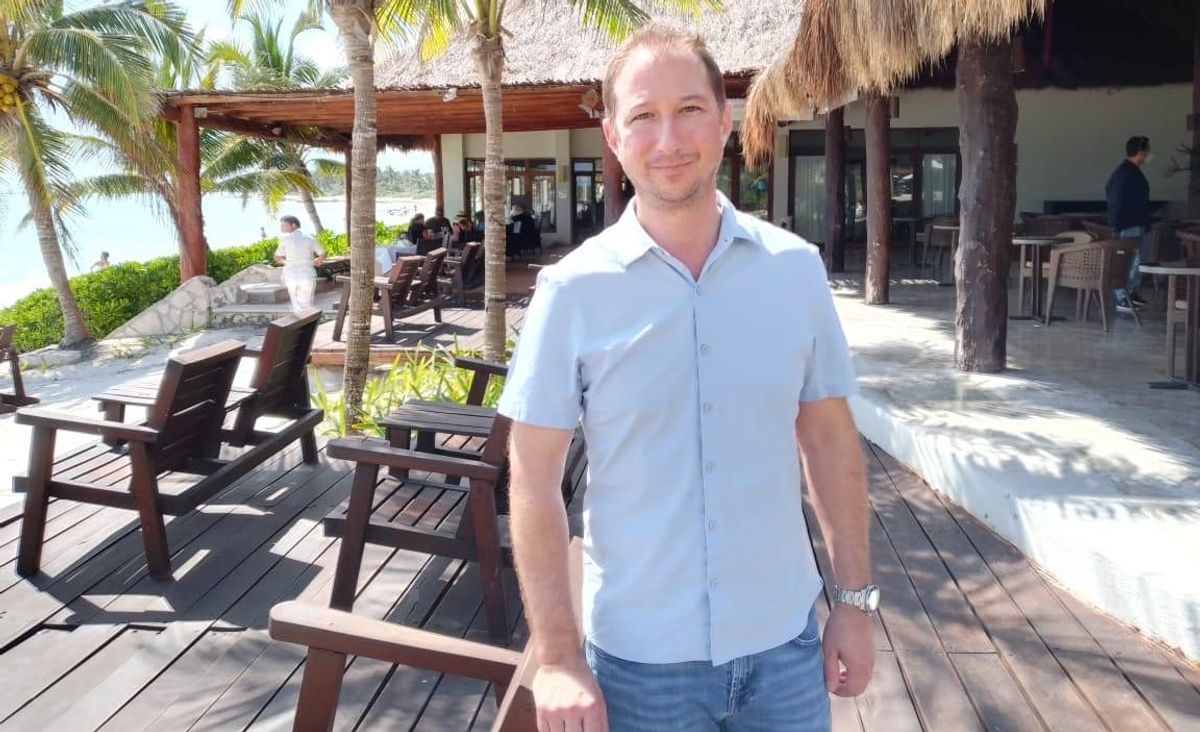
A recent high-level meeting in Quintana Roo brought together political heavyweights and tourism leaders to confront a long-ignored truth: Tulum’s rapid growth came without a roadmap. And now, the cracks are showing.
David Ortiz Mena, president of the Mexican Caribbean Hotel Council and a central voice in the region’s tourism narrative, didn’t sugarcoat it.
“This crisis,” he said, “might just be the opportunity we’ve needed to rethink the experience we offer and upgrade our infrastructure.”
When paradise outgrows its limits
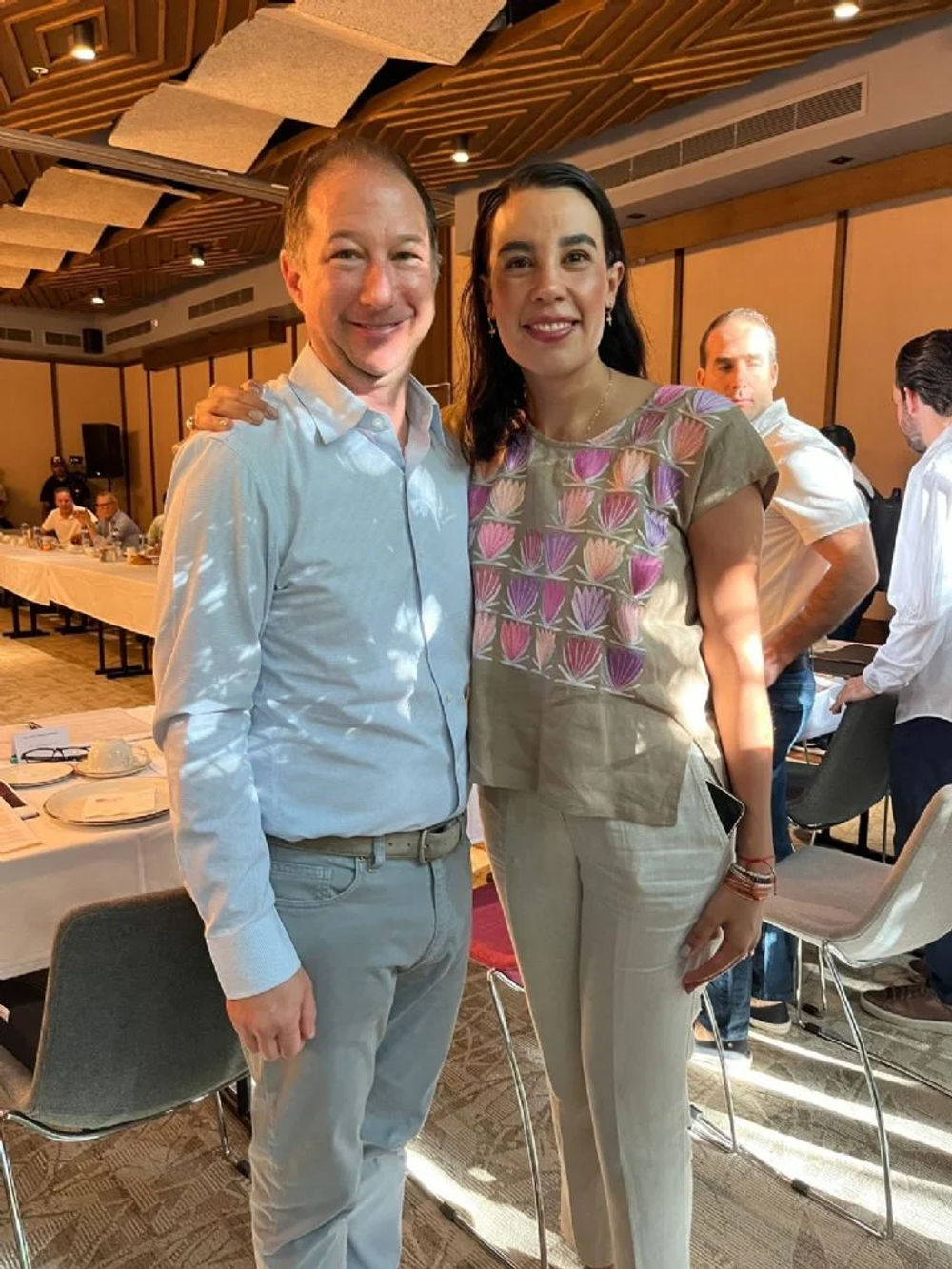
Ortiz Mena’s comments came after a strategic session with Quintana Roo Governor Mara Lezama, Tourism Secretary Josefina Rodríguez Zamora, and Senator Eugenio Segura, who chairs the Senate’s Tourism Commission. The agenda: how to address Tulum’s ballooning list of unresolved issues, many of them decades in the making.
One key pain point? Access to the Parque del Jaguar and the coastal beaches that have drawn millions to Tulum’s shores.
“It’s not just a matter of tourists not finding their way,” Ortiz Mena noted. “It’s about having only two access points that are poorly marked and lacking even basic amenities, restrooms, parking, lighting, showers, waste bins, security. All the things that shape a destination’s image.”
Tulum’s natural beauty might be timeless, but its infrastructure, he implied, is stuck in the past.
The Parque del Jaguar dilemma
The creation of Parque del Jaguar, intended as a protected space for biodiversity and cultural preservation, inadvertently highlighted the deficiencies in Tulum’s beach access. Restrictions designed to protect the environment have limited entry, but with no alternate solutions, they’ve also spotlighted years of neglect.
Imagine arriving in a dream destination only to be met with confusion, no signage, no facilities, and no safe way in. That’s the reality for many visitors right now.
Ortiz Mena, who also leads the Tulum Hotel Association, didn’t hold back in calling out the oversight. But he wasn’t just pointing fingers, he issued a call to action.
“We all live from tourism”
“There’s no room for passivity,” he warned. “Everyone involved in tourism, government, business owners, workers, needs to ensure Tulum remains attractive and functional. We all live from tourism.”
It’s more than just a slogan. In Tulum, tourism is oxygen. And when access and services fail, the whole ecosystem suffers.
Local businesses, especially smaller ones away from the luxury spotlight, are already feeling the pressure. In interviews, some beach vendors report dwindling foot traffic and confusion from visitors trying to navigate access points.
One vendor, who preferred not to be named, said, “Tourists stop here asking, ‘Where’s the beach?’ They can see it but can’t figure out how to get there.”
The domestic traveler matters more than ever
Ortiz Mena also emphasized a data point that’s often overlooked in conversations dominated by international tourism: the strength of the national market.
According to figures shared at the meeting, Mexican travelers made up nearly 34% of the Caribbean region’s visitors this year. In the first half of 2025 alone, domestic tourism in Tulum grew 1.2% compared to the same period in 2024.
That kind of stability can’t be ignored.
“When international markets fluctuate,” Ortiz Mena said, “it’s the Mexican traveler that keeps us afloat. We need to treat them as essential, not secondary.”
Still aspirational, despite the noise
Some say Tulum’s star is fading. Too crowded, too expensive, too chaotic. But Ortiz Mena pushed back against that narrative.
“Tulum remains aspirational. Many destinations would love to have the image we’ve built,” he said. “From $20 hostels to Michelin-recognized restaurants, the diversity here is real.”
And he’s right. Few places offer such an extreme contrast between boho-budget and ultra-luxury. One can dine barefoot on the beach or dress for a $300 tasting menu, all within walking distance.
Whether Tulum is “too expensive” depends on who you ask. What matters more is that it still offers choice. And the essence of good tourism, Ortiz Mena implied, is ensuring that everyone, no matter their budget, feels like they belong.
What’s next?
The meeting ended with no silver bullets, but also no denial. For once, the rhetoric matched the urgency. Infrastructure needs fixing. Access must improve. And yes, better planning is long overdue.
But if Tulum’s stakeholders stay at the table, and the promises don’t evaporate with the season, it could mark a turning point.
Because the truth is, you don’t fix Tulum with more billboards or hashtags. You fix it by helping a visitor find the beach, and want to come back.
“We’d love to hear your thoughts. Join the conversation on The Tulum Times’ social media.”
What do you think Tulum needs most right now, better planning, more access, or simply less chaos?