
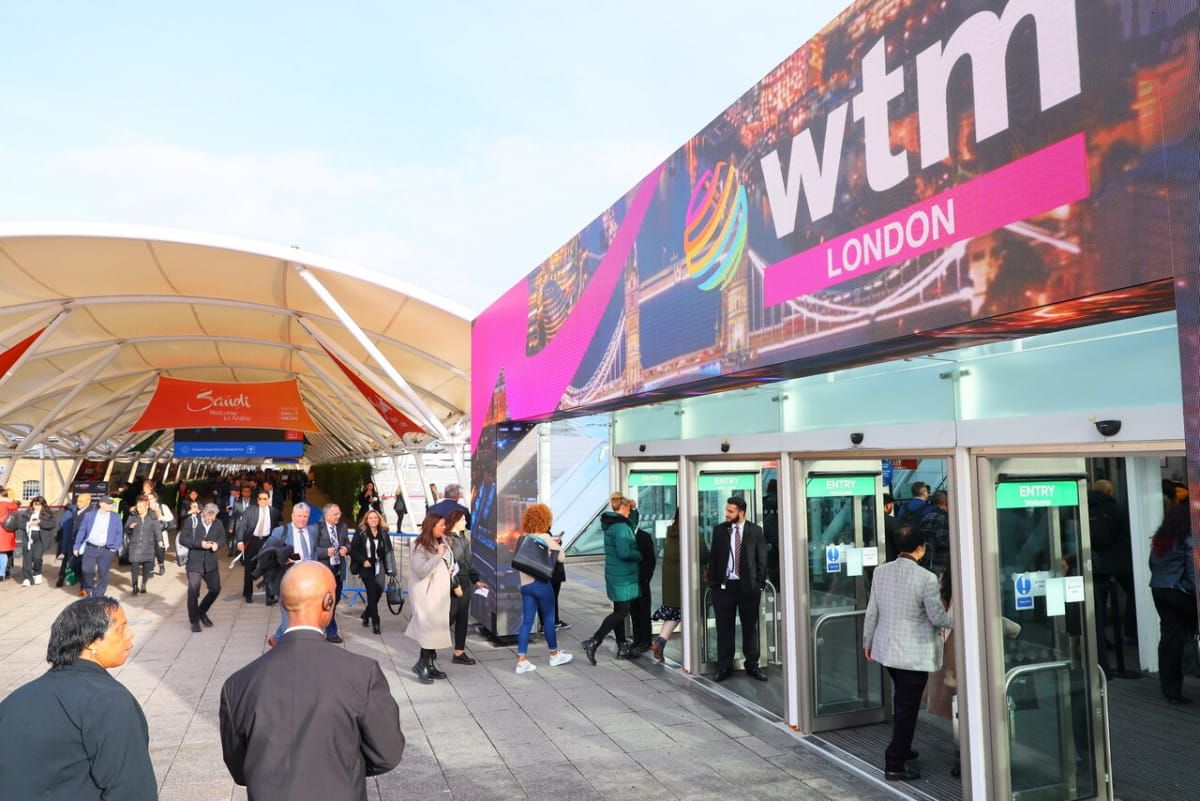
Tulum is sharpening its tourism promotion strategies ahead of two of the sector’s most influential events: the World Travel Market in London and the Tianguis Nacional de Pueblos Mágicos in Pachuca, Hidalgo. Both gatherings, set for November, could shape how the Caribbean destination positions itself in 2025’s competitive travel market.
Carla Patricia Andrade Piedras, director general of Tourism of Tulum, confirmed that the municipality will attend both events with distinct approaches tailored to each audience. The goal, she said, is to highlight Tulum’s evolving identity, one that now blends luxury romance tourism with deep cultural roots.
A global stage in London for romance and recognition
“The World Travel Market will take place from November 4 to 6 in London, England, and there we will promote Tulum as a destination for romance,” Andrade said. The strategy builds on Tulum’s recent recognition at the World Travel Awards, where it was named a leading destination in the romance category.
According to the director, the delegation will present curated materials focusing on weddings, honeymoons, and romantic experiences, a segment that continues to expand despite shifting global travel trends. “We’re seeing consistent interest in intimate experiences that connect with nature and authenticity,” she added.
The World Travel Market, one of the most influential gatherings for tourism professionals worldwide, attracts thousands of buyers and media representatives. For Tulum, being part of this platform is not just about visibility, it’s about credibility. Competing alongside destinations like Bali, the Maldives, and Santorini means crafting a message that blends natural beauty with sustainable luxury.
Cultural identity takes center stage in Pachuca
Just a week later, from November 13 to 16, Tulum will join the Tianguis Nacional de Pueblos Mágicos, where 177 of Mexico’s most emblematic towns will showcase their attractions. The event, hosted in Pachuca, is expected to draw tens of thousands of visitors, travel agencies, and cultural promoters.
Andrade said Tulum’s presentation will feature a selection of Mayan traditions, archaeological heritage, gastronomy, and artisan craftsmanship. “Our strategy for the Tianguis Nacional de Pueblos Mágicos includes the full scope of what makes Tulum unique, our archaeological zones, local cuisine, nature, and living culture. It’s a powerful way to connect with travelers seeking meaning and identity in their journeys,” she noted.
This approach aligns with the broader trend of cultural tourism, which is gaining ground across Mexico. While beach destinations like Cancún and Playa del Carmen often dominate international marketing, places such as Tulum are emphasizing heritage and authenticity as central themes.
Balancing international prestige with local roots
The two events reflect Tulum’s dual ambition: strengthening its global brand while deepening its national presence. The London showcase targets high-value travelers and industry partners, while the Pachuca fair speaks to Mexican visitors and domestic tour operators.
Tourism analysts suggest that this diversification is both strategic and necessary. As international competition intensifies, destinations must highlight their niche strengths. For Tulum, the romance market offers emotional appeal, while the Pueblo Mágico designation provides cultural legitimacy.
“Few places in Mexico combine archaeological majesty, contemporary wellness, and cultural continuity like Tulum,” said a Quintana Roo tourism consultant familiar with the strategy. “It’s about telling that story differently depending on the audience.”
A new narrative for a changing tourism landscape
The efforts come amid shifting dynamics in the global tourism industry. Travelers are increasingly motivated by authenticity, environmental awareness, and experiences that feel personal. Tulum’s authorities appear aware of this shift, adjusting messaging to appeal to both sentiment and substance.
At the same time, challenges remain. Issues like infrastructure, environmental preservation, and the integration of the upcoming Tulum International Airport continue to shape the destination’s medium-term outlook. How the municipality communicates these realities to investors and travelers alike could influence its credibility.
Still, the fact that Tulum is engaging in both international and domestic forums underscores its proactive stance. “We’re working to show the world that Tulum is more than beaches and nightlife, it’s culture, community, and connection,” Andrade emphasized.
Tulum’s evolving brand in Mexico and abroad
Both events are expected to generate new alliances, media exposure, and opportunities for collaboration. For the World Travel Market, Tulum’s participation might open doors with European operators seeking sustainable romance destinations. Meanwhile, at the Tianguis Nacional de Pueblos Mágicos, its cultural display could reinforce local pride and attract more national visitors.
This two-pronged strategy reflects a maturing tourism policy that acknowledges Tulum’s dual identity: global and local, luxurious yet rooted. As The Tulum Times has reported in previous analyses, such positioning could help the destination navigate the evolving expectations of post-pandemic travelers.
What’s at stake is not only visitor numbers but the story Tulum tells about itself, a story of balance between growth and authenticity, between romance and heritage.
Tulum’s tourism promotion strategy could redefine how Mexico’s Caribbean destinations engage with both love-seekers in London and culture-seekers in Pachuca.
We’d love to hear your thoughts. Join the conversation on The Tulum Times’ social media.
How do you think Tulum can maintain authenticity while expanding its global tourism reach?