
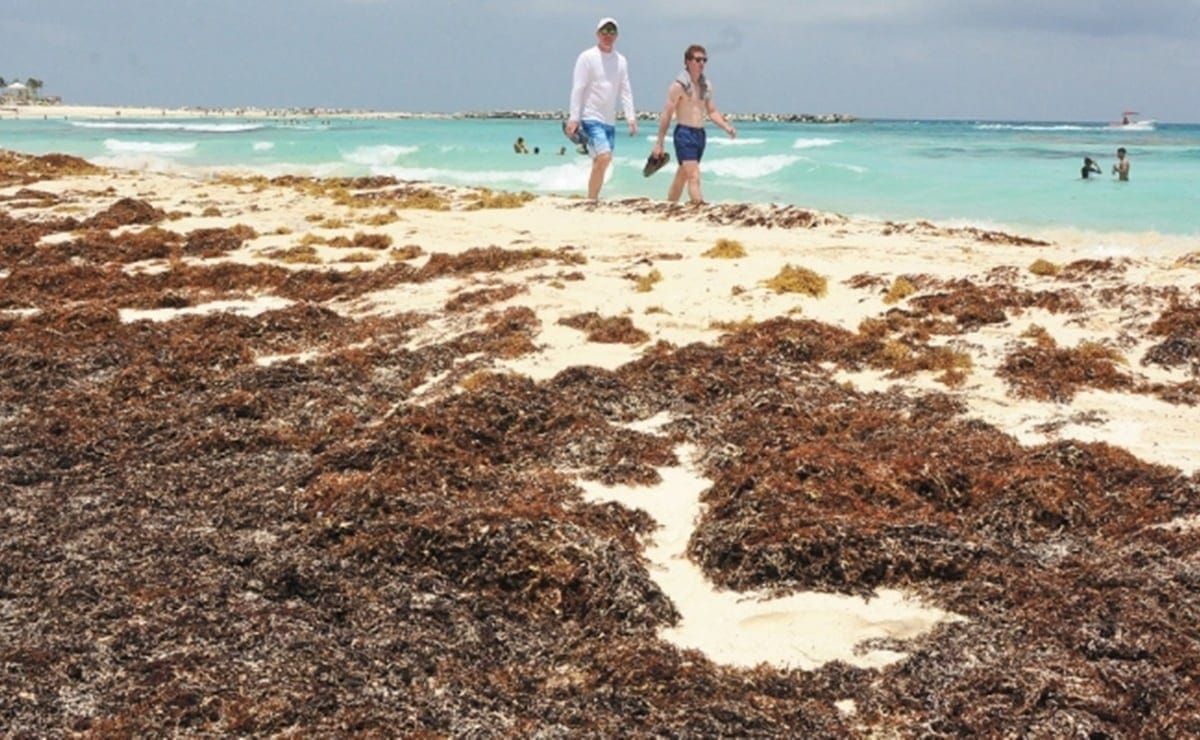
A recent analysis of the Atlantic Ocean’s marine ecosystems has revealed an unprecedented surge in sargassum biomass, with satellite data confirming a record-breaking 40 million metric tons of the floating seaweed now stretching across the region. This phenomenon, while a natural occurrence, has sparked renewed discussions among scientists and coastal communities about balancing ecological health with economic stability in tropical regions reliant on tourism and fisheries.
Navigating the Sargassum Surge
The massive belt of sargassum, spanning from West Africa to the Caribbean, has grown exponentially over the past decade, with this year’s accumulation marking a 15% increase compared to 2024 levels. Researchers attribute the growth to nutrient-rich runoff from agricultural activities, shifting ocean currents due to climate patterns, and warmer sea temperatures creating ideal breeding conditions. While sargassum provides critical habitat for marine life in open waters, its coastal inundations have disrupted local economies, particularly in areas dependent on pristine beaches.
Economic Ripples and Adaptive Solutions
Coastal communities have turned to innovative strategies to mitigate the seaweed’s impact, transforming challenges into opportunities. Hotels now employ early-warning systems to predict influxes, while entrepreneurs harvest sargassum for use in biofuels, fertilizers, and construction materials. A pilot project in the eastern Caribbean has converted 500 tons of collected seaweed into organic compost, supporting sustainable agriculture and reducing landfill waste.
Ecological Paradox: Refuge or Threat?
Marine biologists emphasize the dual role of sargassum ecosystems. Offshore, these floating mats serve as nurseries for endangered species like loggerhead turtles and mahi-mahi. However, decomposing masses near shorelines deplete oxygen levels, creating dead zones that threaten coral reefs and fish populations. Conservation groups advocate for coordinated international efforts to study the seaweed’s lifecycle while funding coastal cleanup technologies.
Tourism’s Creative Pivot
Rather than viewing sargassum as a deterrent, some resorts now offer educational eco-tours explaining its ecological significance. Visitors participate in citizen science projects tracking seaweed patterns or join workshops creating biodegradable products from harvested biomass. This shift aligns with growing traveler demand for destinations addressing environmental challenges transparently.
As researchers refine predictive models to anticipate future sargassum blooms, the focus remains on fostering resilience through collaboration. From satellite monitoring partnerships between universities to community-led upcycling initiatives, the response to this natural phenomenon highlights humanity’s capacity to adapt creatively to environmental shifts.
Share your thoughts on coastal sustainability efforts or innovative uses for marine resources with our community via @TheTulumTimes on social media. Your insights could inspire the next wave of ocean conservation solutions.