
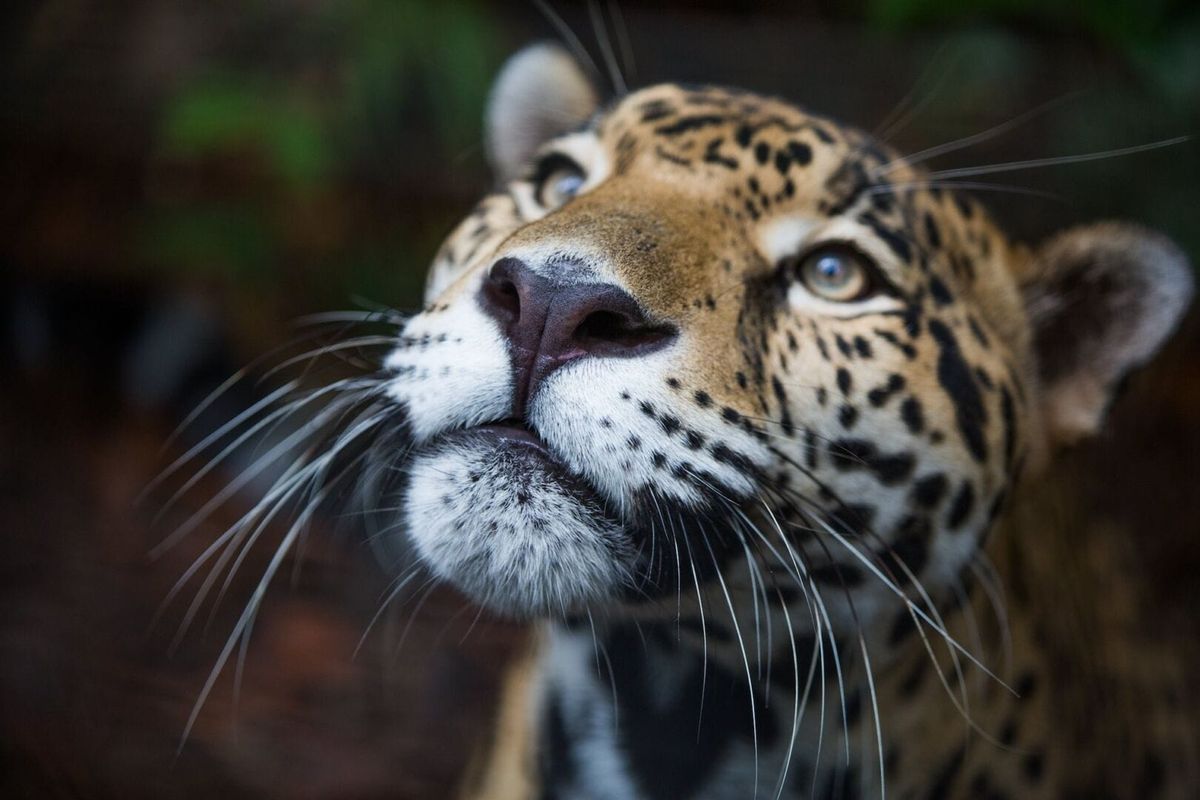
They started with nothing, no budget, no backing, no blueprint, just a raw urgency to protect something wild. Ten years ago, in the humid backlands of Nayarit, where the mountains tangle with mangroves and the silence sometimes roars back, Jaguares Sin Protección (JSP) was born. And right from that name, Jaguars Without Protection, you knew this wasn’t just another conservation effort cushioned by bureaucracy. This was a warning. A promise. A rebellion in khaki and notebooks.
And somehow, against every odd, it worked.
Jaguar conservation without a net
By 2018, the association’s relentless work had caught the attention of one of the giants, Dr. Gerardo Ceballos, a global name in biodiversity science. He extended an invitation to JSP to join the Alianza Nacional para la Conservación del Jaguar, a national alliance of minds and missions. Suddenly, this grassroots movement from a mostly overlooked state was contributing to Mexico’s jaguar census, feeding critical data into the national bloodstream. Nayarit, once a blank spot on the jaguar map, became a glowing node of activity and insight.

But that recognition didn’t come with funding. There was no golden pipeline of cash from government coffers. What there was, what kept them going, was grit. And constancy. The kind that doesn’t show up in grant proposals but shows up every single day in the field.
Two leaders, two worlds, one jaguar
At the helm of JSP are two scientists whose synergy shapes the soul of the organization. Dr. María G. Zamudio holds the social compass. Her role? Navigating the fraught, often invisible terrain where ecology meets community. She’s been out there listening, stitching together trust one conversation at a time, grounding every step in social methodology and justice.

On the other side of the coin is Dr. Víctor H. Luja, the ecological tactician. Over a decade, he’s transformed random field notes into a living, breathing archive of jaguar life. Ten years of data. Ten years of GPS collars, camera traps, and elusive prints in the mud. All of it, piece by piece, feeding a science that now informs national conservation policy.
Between them, they’ve created something rare: an organization that bridges the chasm between community wisdom and academic rigor, boots-on-the-ground conservation fused with scholarly precision.
A body of work etched in claw marks and footsteps
The numbers speak. Eleven wild jaguars tracked with GPS collars, each one a ghost made visible. Over 400 camera trap locations capture intimate, irreplaceable glimpses into the nocturnal choreography of the jungle. More than 100 public events, talks, workshops, and jaguar carnivals, where the predator becomes legend and lesson.

They’ve published 15 scientific articles. Backed nine student theses. Even birthed a children’s book drawn from real monitoring data, science transmuted into a bedtime story. And yes, they’ve organized six jaguar carnivals, because conservation isn’t just about data; it’s about identity.
JSP’s reach now cuts across every habitat in Nayarit, coast, sierra, swamp, and forest. Their fingerprints are on everything from local documentaries to corporate environmental assessments. Not because they lobbied for it, but because the science speaks, and more often than not, it shouts.
Tulum, Quintana Roo, and the wider jaguar corridor
The jaguar’s territory doesn’t end at Nayarit’s border. It stretches east, past volcanic ridges and plains, into the dense limestone jungles of Quintana Roo, into Tulum, where conservation battles take a different shape. There, rapid tourism development clashes with ancient ecosystems. Yet the goal remains the same: protect the jaguar, protect the land.
Though JSP doesn’t operate in Tulum directly, the knowledge and strategies emerging from Nayarit ripple outward. Community engagement, scientific rigor, and sustained presence, these are tools that could and should be mirrored in places like the Yucatán Peninsula, where the jaguar still prowls temple ruins and beachside thickets.

The exchange is growing. Conservation doesn’t happen in isolation. And it’s only a matter of time before these jaguar territories, from the Pacific to the Caribbean, start speaking to each other more fluently.
Beyond photos and theory
Here’s the part that gets lost in glossy NGO brochures: jaguar conservation isn’t just about preserving an animal. It’s about surviving the politics of ecology. JSP has had to pick up where the government dropped the ball, particularly in the simmering tension between jaguars and ranchers. These aren’t hypothetical conflicts. These are real dead cows, real angry people, and real danger for big cats.
But instead of backing away, JSP walked straight into the fire. They listened. Mediated. Built bridges. And somehow, managed the unthinkable, fewer conflicts, more jaguars, and a few ranchers who’ve begun to soften, to see alternatives, to trust.

No jaguar walks alone
None of this could have happened in isolation. The web of support, academic allies, community liaisons, tech partners, and yes, some financial lifelines, has grown with the mission. These aren’t just collaborators. They’re co-conspirators in a dream bigger than any one person or paper.
Jaguares Sin Protección isn’t just an NGO. It’s a stance. A way of walking the land. A refusal to let policy eclipse presence. And as long as the forests of Nayarit, and the jungles of Tulum, still breathe, they’ll keep working, with their feet on the soil, their eyes on the jaguar, and their hearts beating for the wild.
We’d love to hear your thoughts, join the conversation on The Tulum Times’ social media.