
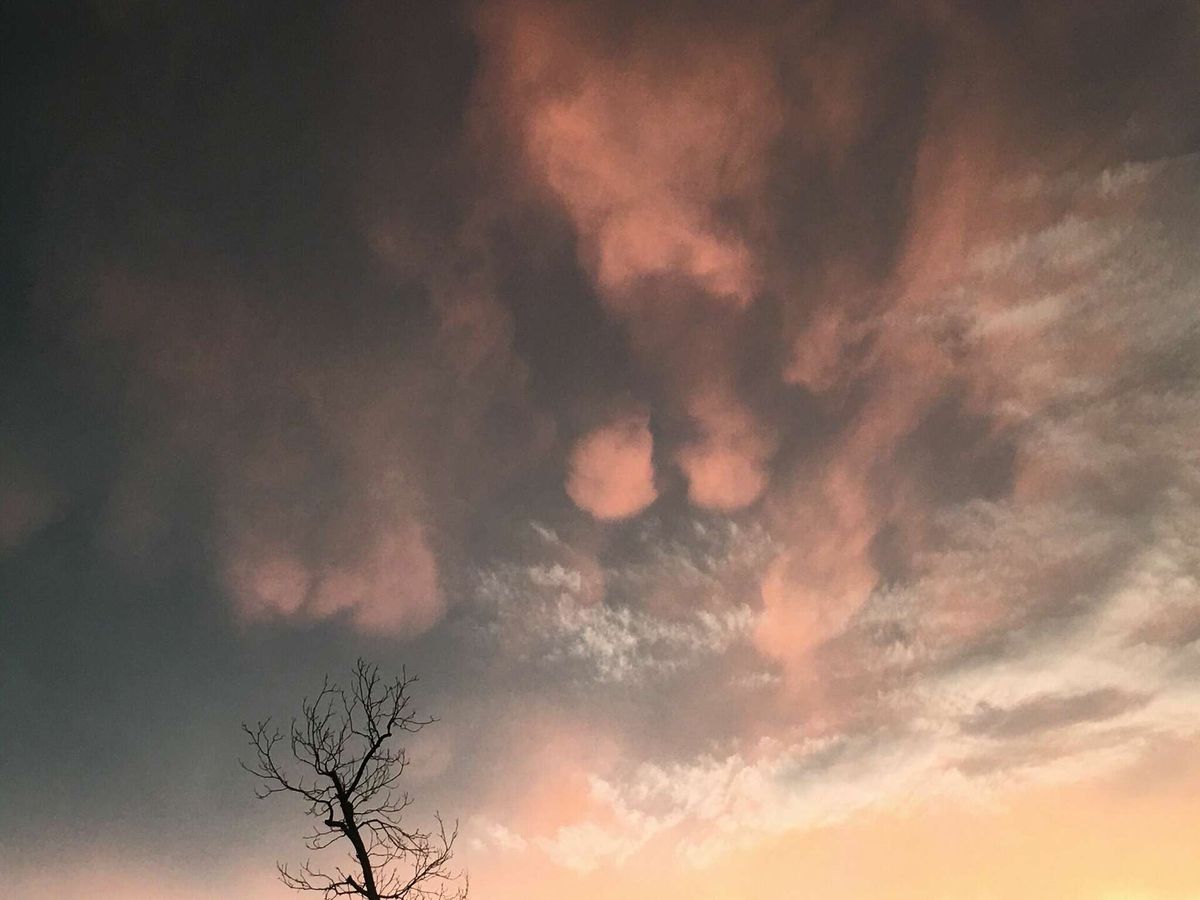
Each year, a veil of fine particles from across the Atlantic arrives quietly and mysteriously in the skies above Tulum. This isn’t an anomaly, nor is it a sign of catastrophe, it’s the Saharan dust, a natural phenomenon that travels thousands of kilometers from Africa to the Yucatán Peninsula.
In recent days, hazy sunsets and a golden hue over the Caribbean coast have sparked questions and concerns. Is the arrival of Saharan dust real? Should residents and travelers be worried? The short answer: yes, it’s real. No, it’s not dangerous. It’s an annual event, predictable, often beautiful, and only mildly impactful under normal conditions.
A transatlantic journey of dust and wonder
This spectacle begins in the vast Sahara Desert, where strong easterly trade winds sweep up dry, mineral-rich dust particles. These particles form part of what meteorologists call the Saharan Air Layer, a hot and dry air mass that moves westward over the Atlantic.
Riding at altitudes of roughly 1,500 meters, the dust can cross oceans in just under a week, reaching the Caribbean and sometimes even the southeastern United States. According to NASA, this atmospheric journey occurs between late May and early July, bringing both beauty and scientific intrigue.
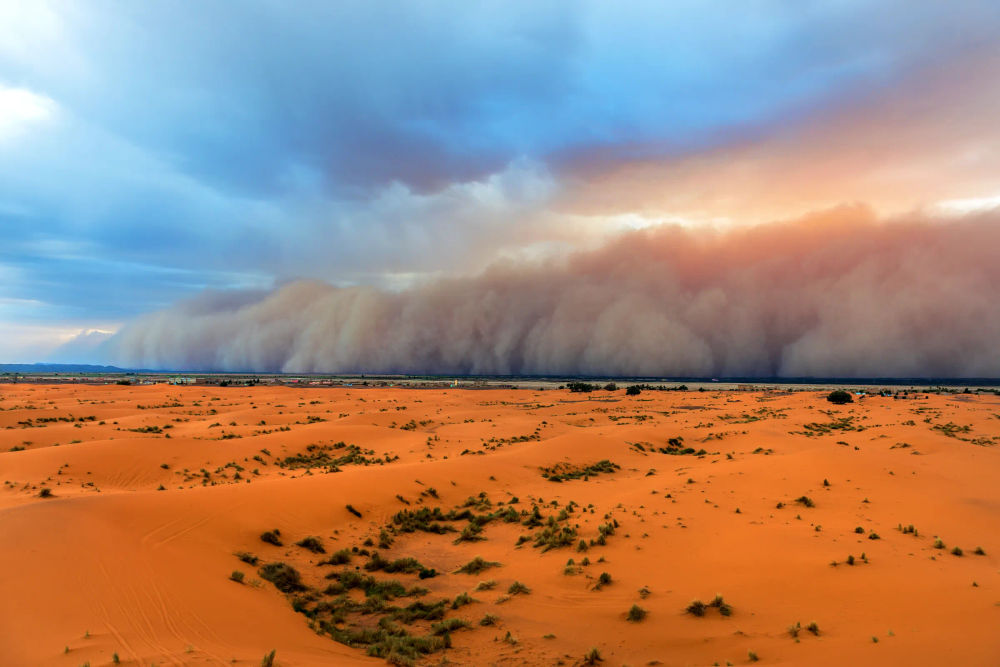
What does Saharan dust mean for Tulum?
Locals may already be noticing subtle changes, hazy skies, glowing sunsets, and a slightly filtered sunlight. These are classic signs of Saharan dust at play. But beyond the visuals, what does this mean for daily life in Tulum and the broader Riviera Maya?
Minimal health risks, with minor precautions
The good news is that the current dust levels are light to moderate. For most people, there’s little reason for concern. The particles remain suspended high in the atmosphere and don’t typically affect air quality at ground level.
However, those with respiratory conditions such as asthma or chronic bronchitis should remain aware. Slight irritations, such as coughing or sneezing, may occur, especially during early morning hours or dry afternoons. Experts, including local meteorologist Rubén García, recommend that sensitive individuals limit extended outdoor activity when visibility drops.
Brighter sunsets and blocked storms
There’s also a silver lining, literally. Saharan dust scatters sunlight in a way that amplifies red and orange hues during sunrises and sunsets. It’s a photographer’s dream and a visual treat for residents and tourists alike.
Interestingly, Saharan dust can also impact regional weather. The dry air associated with the dust layer tends to suppress hurricane formation. As noted by the National Hurricane Center, when this dust arrives in tandem with hurricane season, it can help delay or weaken tropical storms.

An ecological boost from across the ocean
Saharan dust doesn’t just affect the sky, it affects the Earth. These particles contain essential nutrients like iron and phosphorus, which fertilize both marine and terrestrial ecosystems. When the dust settles into the sea, it feeds phytoplankton, the tiny organisms at the base of the ocean food chain. When it lands on soil, it can enrich local plant life.
Researchers have long studied this dust as a natural conveyor of life, one that connects continents in quiet, invisible ways. It’s a reminder that Earth’s ecosystems are interlinked, and that Tulum’s soil may carry traces of African deserts.
So, should we worry?
Not this time. The current Saharan dust event in Tulum is well within expected limits. There’s no need to cancel beach days, alter travel plans, or stay indoors. As long as you’re not particularly sensitive to air particles, life goes on, just with a slight sepia tint.
Still, it’s wise to stay informed. Keep an eye on local weather forecasts, follow guidance for vulnerable groups, and take advantage of the uniquely golden skies that grace the coast for a few days each year.
This isn’t just a weather event. It’s a transcontinental story of wind, earth, and atmosphere, a connection between Tulum’s white sands and the ancient sands of the Sahara.
What do you think about the arrival of Saharan dust? Join the conversation on our social media channels at The Tulum Times.