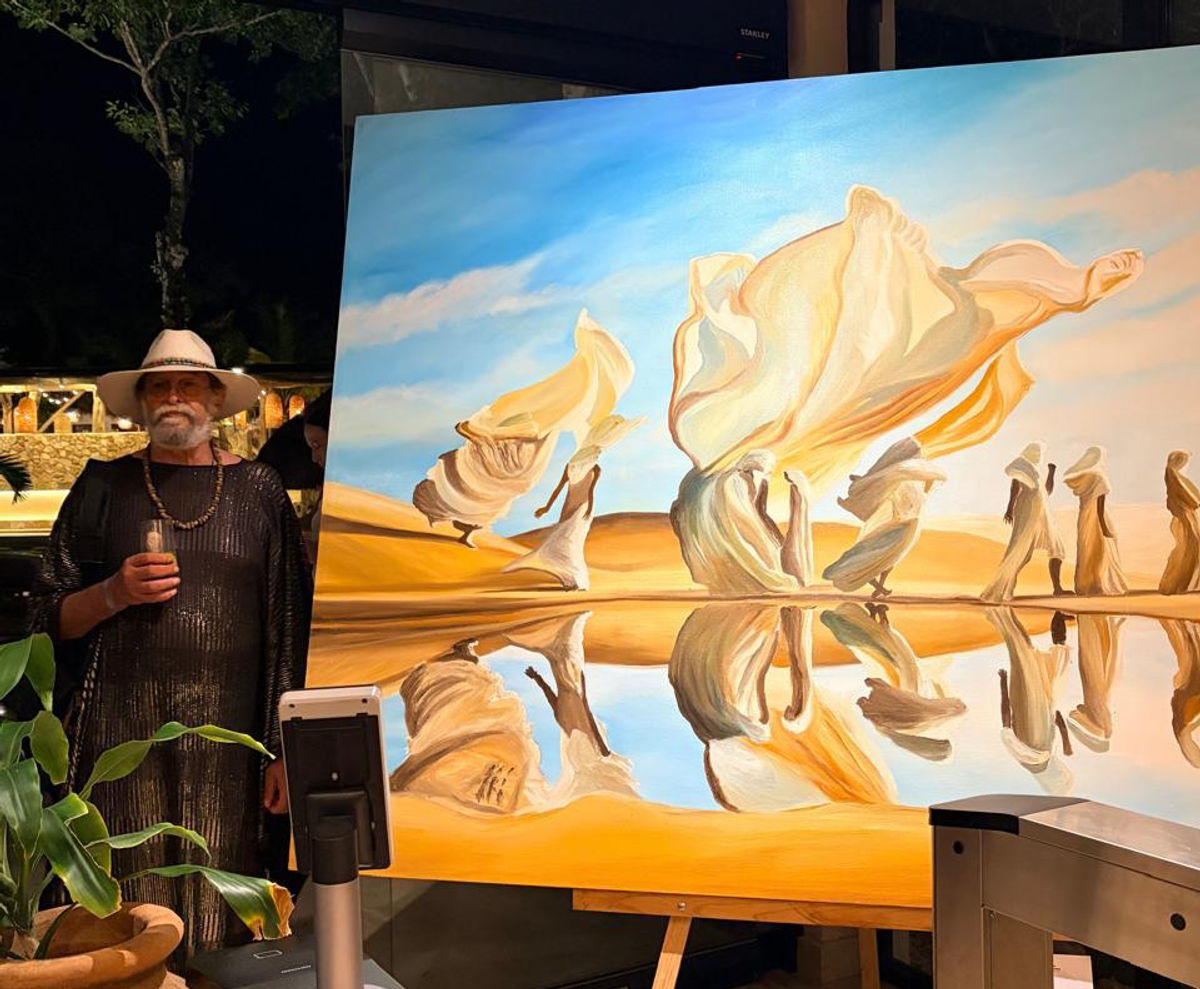
Tulum added another international art event to its cultural calendar with the opening of European artist Zoran Matić’s exhibition at Tulum Country Club, where residents, special guests, and members of the Riviera Maya’s cultural community gathered for an evening centered on painting, music, and community life. Held at The Club inside the residential complex, the exhibition places a globally recognized artist in a local setting and will remain on view for more than a month, extending access for both residents and visitors.
Matić, originally from the former Yugoslavia, now Serbia, is presented by organizers as one of the last living disciples of Salvador Dalí. His exhibition introduced a body of work defined by multiple painting techniques and by spiritual and philosophical influences that have shaped his career. For Tulum, the significance is immediate: the event adds another international cultural offering to a destination more often defined by tourism and hospitality, while giving the local community direct contact with an artist whose background connects Balkan art training, surrealist legacy, and multidisciplinary practice.
“At Tulum Country Club, we seek to offer experiences that connect our community with art and international talent. Zoran Matić’s presence represents a unique opportunity to bring global-level cultural proposals to Tulum,” said Álvaro Moya, Country Manager of the complex.
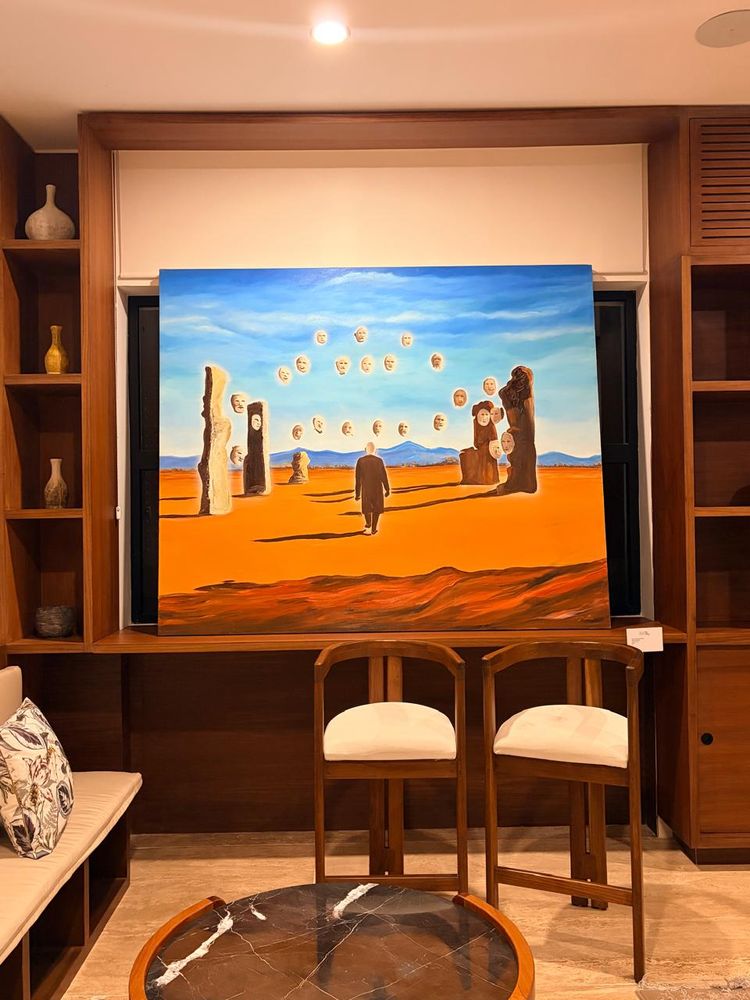
An international exhibition opens in a residential setting
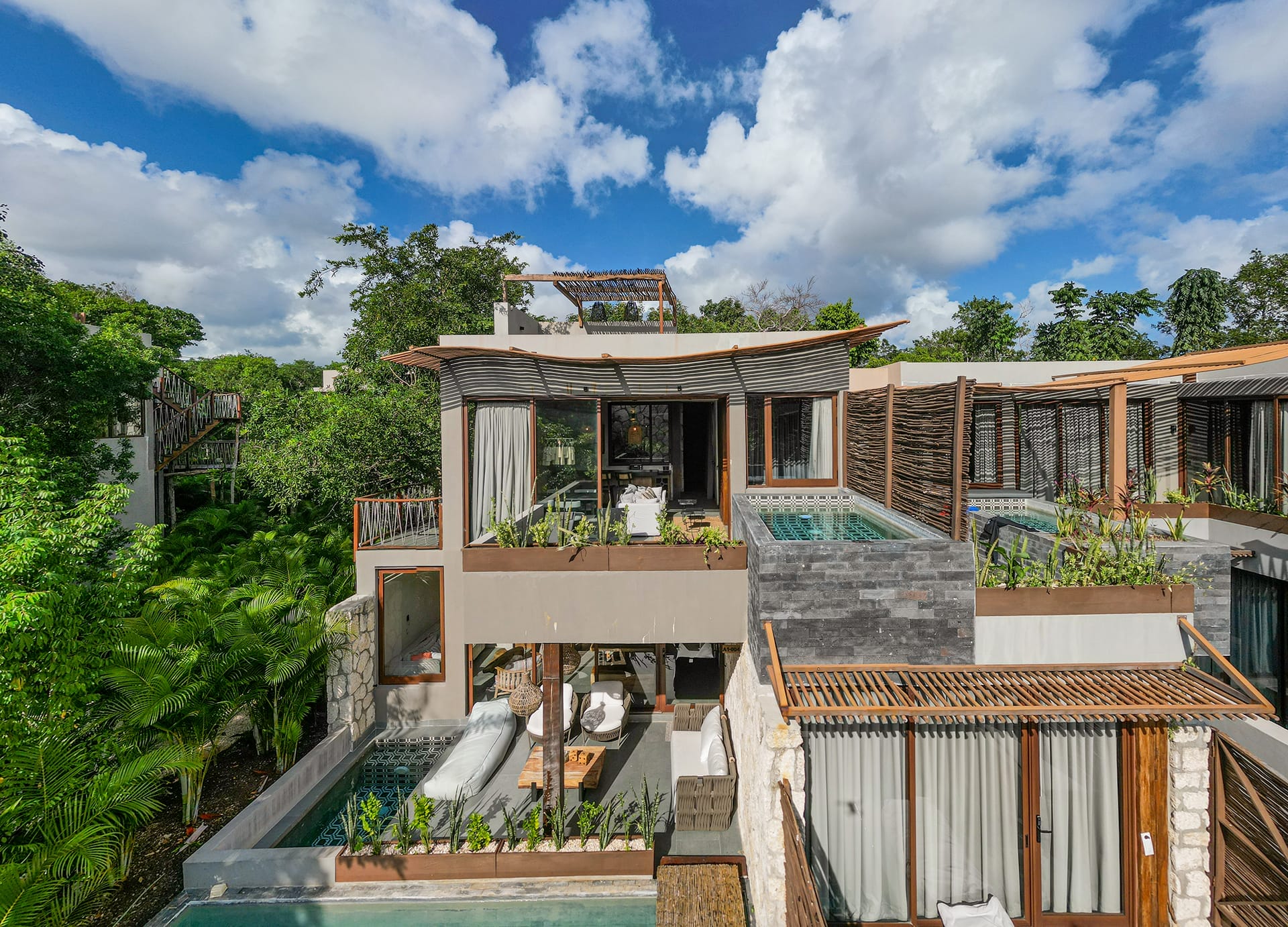
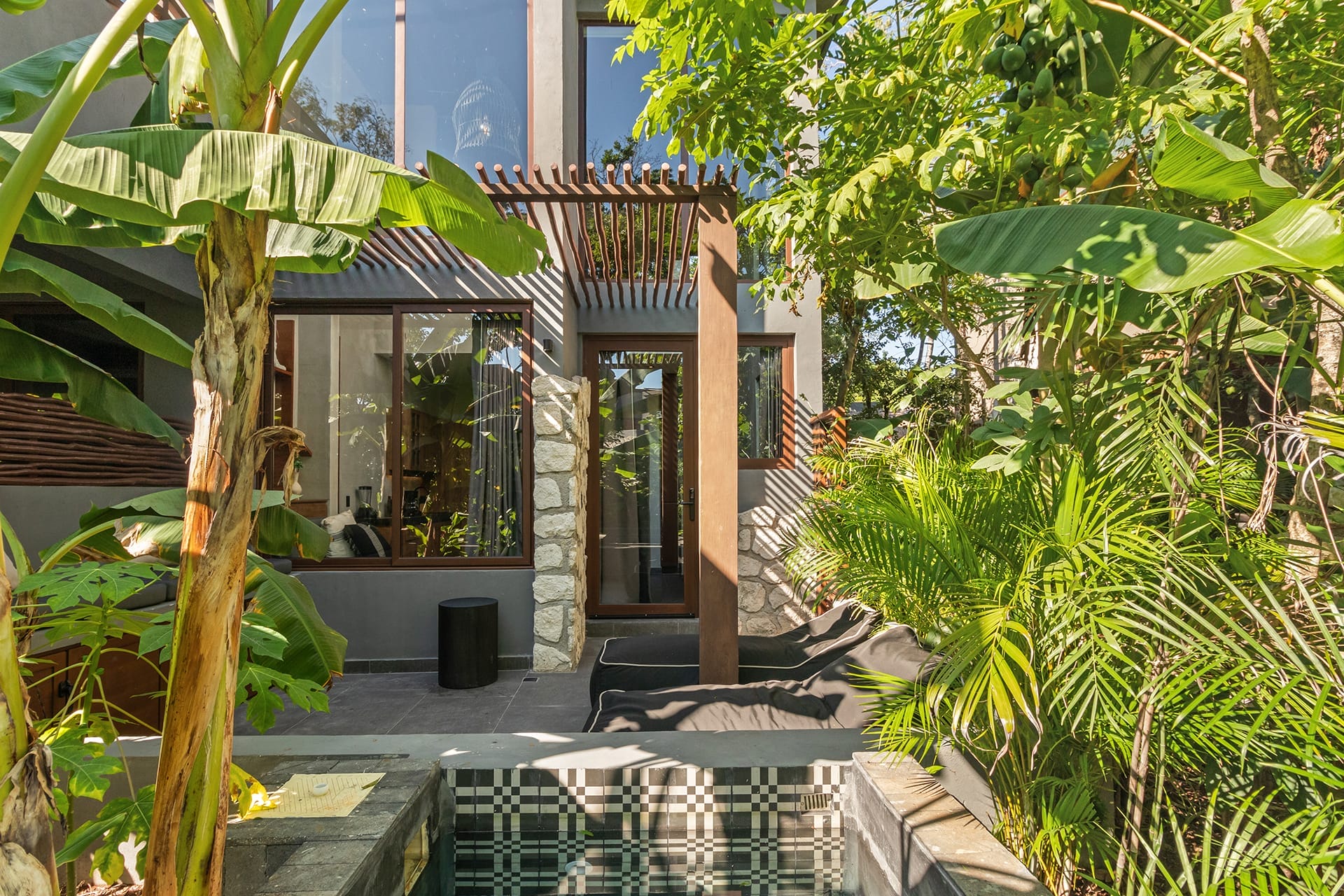
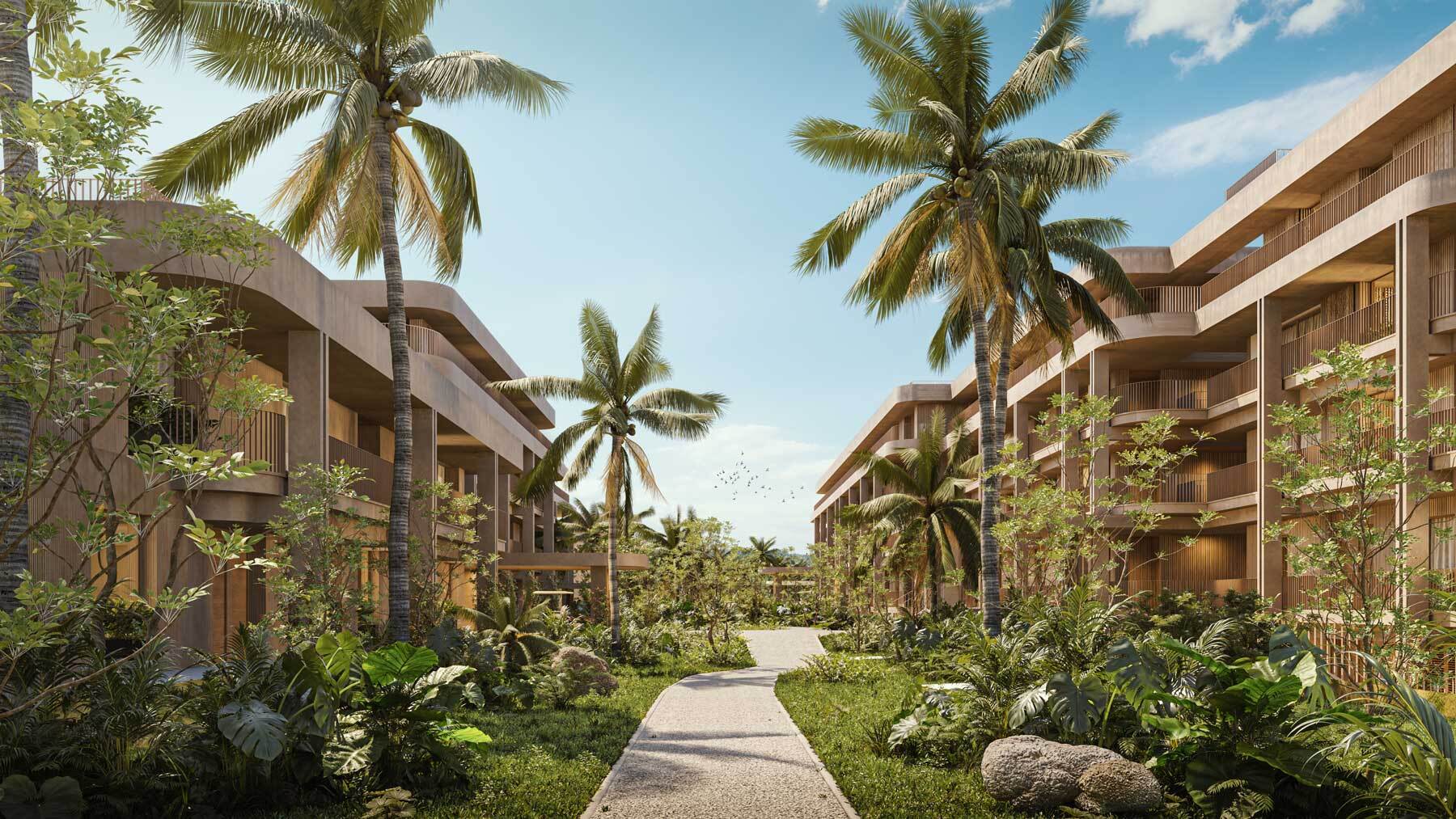
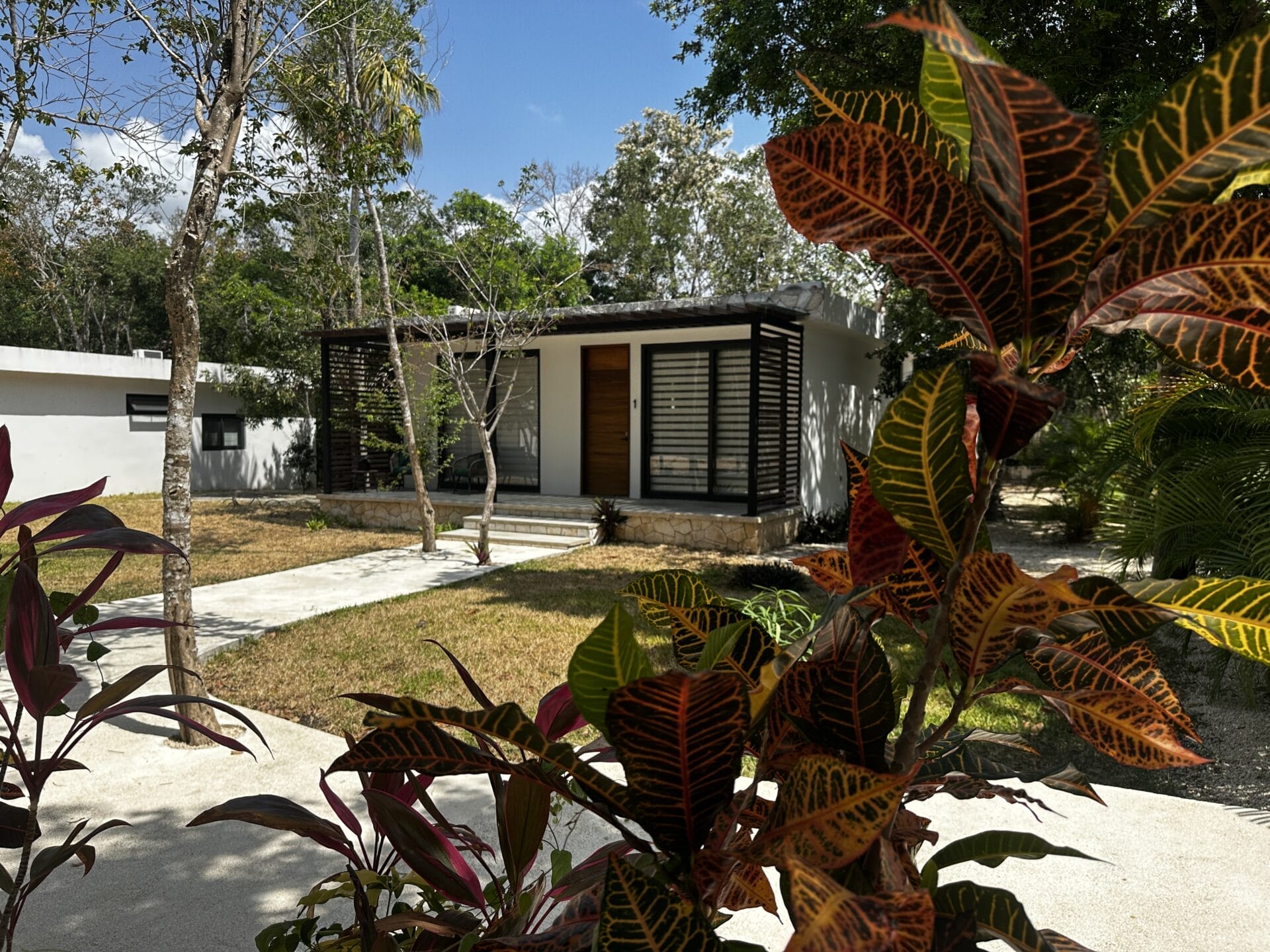
The opening took place in an environment designed to combine art, culture, and lifestyle, reflecting the identity Tulum Country Club says it wants to build around its community. Guests moved through a selection of Matić’s works during a cocktail reception that encouraged close viewing and informal exchange around the exhibition. The event also included a live musical component by the group Ona, whose participation added a contemporary layer to the evening.
That combination of visual art, music, and social gathering helps explain why events like this matter in Tulum beyond a single night. They reshape where culture is encountered. Instead of being limited to a museum or temporary fair, the exhibition appears within a residential development, bringing art into the daily rhythm of a community and extending its reach over several weeks rather than a few hours.
The works will remain on display for more than a month. That longer timeline changes the audience as well. It allows residents to return, and it gives visitors already moving through the Riviera Maya another reason to engage with a cultural proposal tied specifically to Tulum.

Matić brings a Dalí-linked artistic legacy
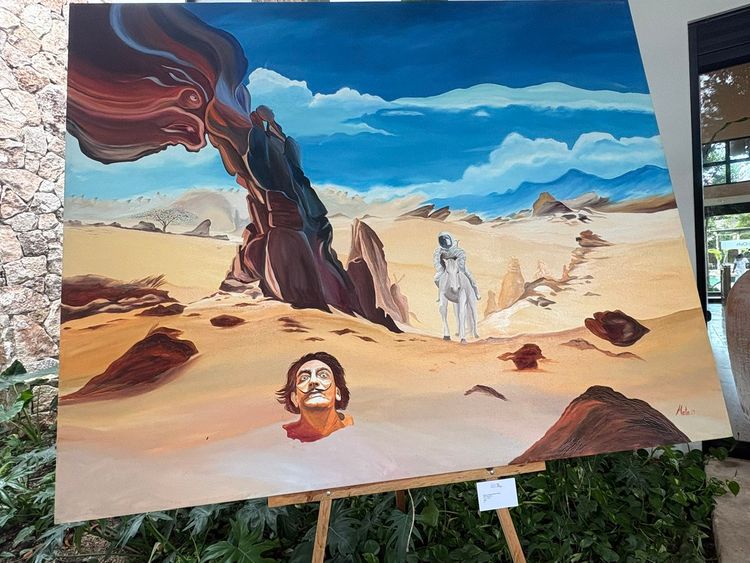
A major point of interest surrounding the exhibition is Matić’s connection to Salvador Dalí. According to the information presented during the event, one of the defining moments of his career came during his two-year stay at the Salvador Dalí Museum in Figueres, Spain, where he worked and was recognized as one of five artists accepted as disciples of the surrealist painter.
That detail gives the exhibition an international profile that extends beyond celebrity association. It places Matić within a specific artistic lineage while also underscoring the technical and conceptual foundation of his work. His training at the Academy of Modern Art in Sarajevo focused on drawing, painting, and restoration of ancient art, combining traditional artistic study with preservation-based discipline.
Over the course of his career, Matić has participated in more than 70 artistic collectives and developed 36 collective exhibitions. He has also worked in multidisciplinary performance, suggesting a practice that does not remain confined to conventional painting alone. The works shown in Tulum were described as reflecting both deep spiritual and philosophical depth and a command of multiple pictorial techniques.

A career shaped by technique and spiritual influence
Matić’s profile extends beyond painting. Organizers describe him as an award-winning writer and poet, with recognition in countries including Japan, Italy, Hungary, and Turkey. That literary dimension helps frame the exhibition not only as a technical display but also as part of a broader intellectual and creative trajectory.
His artistic exploration has led him to work with more than 100 painting techniques, according to the material provided for the event. That breadth supports the emphasis placed on experimentation and complexity in his practice. It also explains why attendees encountered works defined by layered execution rather than a single formal approach.
The spiritual dimension of his art was also emphasized during the opening. Organizers linked his work to influences from Zen Buddhism, adding another element to the philosophical depth associated with the exhibition. In practical terms, that means visitors are not simply seeing decorative pieces on display. They are being invited into a body of work presented as the result of long technical study and a sustained search for meaning through image-making.
In Tulum, where conversations around culture often intersect with ideas of identity, environment, and lifestyle, that type of exhibition carries a particular resonance. Art here is not only being shown. It is being positioned as part of how a place understands itself.

Tulum’s cultural profile gains another international event
The arrival of Matić’s exhibition reinforces a broader message about Tulum’s cultural direction. The event was presented as part of an effort to strengthen the destination’s standing as a meeting point for art, culture, and international lifestyle. That matters locally because it affects who participates in Tulum’s public and semi-public cultural life, and what kind of experiences become available within the community.
Residents are directly affected because the exhibition expands access to cultural programming inside a space linked to everyday life in the area. Visitors are affected because the show adds one more reason to view Tulum as more than a tourism base. And for the regional cultural community, the event offers another point of contact with international artistic work presented in the Riviera Maya.
A place’s cultural identity is often shaped by repeated choices rather than isolated announcements. This exhibition fits that pattern. It adds to Tulum’s evolving effort to present itself not only through beaches, hospitality, and real estate, but through arts programming that seeks international recognition while remaining tied to local audiences.
Piñero ties culture to community development
The exhibition also forms part of the vision promoted by Piñero, the business group to which Tulum Country Club belongs through its Real Estate & Golf division. According to the information provided, the group treats culture as a central pillar in the development of its destinations and supports initiatives that promote artistic expression and cultural exchange as part of a broader community experience.
That framework helps explain why the event was presented not as an isolated gallery opening, but as part of a wider lifestyle proposition bringing together art, nature, sports, and community. Piñero, who reports more than 20 years of experience in the Caribbean, says it aims to preserve, bring closer, and highlight cultural richness in the places where it operates.
For Tulum, the immediate change is clear. Some of Zoran Matić’s works will remain available to the public at Tulum Country Club for more than a month, extending the life of an event that began as an opening night. The broader shift is also visible: international exhibitions are being folded into the local experience in more structured ways, giving Tulum another layer in its cultural positioning. As the Zoran Matić exhibition continues, the question is no longer only who arrived, but how consistently Tulum can build on this kind of cultural presence.
We’d love to hear your thoughts. Join the conversation on The Tulum Times’ social media. How should Tulum balance its tourism identity with its growing role as a cultural destination?