
In November 2024, Brigitta Ine Van Tussenbroek, a respected researcher from Mexico’s National Autonomous University (UNAM), issued a stark warning. She predicted that 2025 would bring a record-breaking influx of sargassum to the Mexican Caribbean. Her alarm wasn’t vague or dramatic. It was a direct diagnosis, rooted in science, excessive nutrient pollution combined with the increasingly warm embrace of climate change.
But her words, grounded in ecological logic, were met with resistance.
Dismissing the Evidence: The Early Backlash
Tourism leaders, including Jesús Almaguer Salazar, former president of the Hotel Association of Cancún, Puerto Morelos, and Isla Mujeres, publicly labeled her concerns as exaggerated. Environmental officials echoed the skepticism, portraying the sargassum phenomenon as erratic and impossible to predict with confidence.
Yet just a few months later, those “exaggerations” look less like panic and more like prophecy.
The 2025 Invasion: One of the Worst Sargassum Seasons on Record
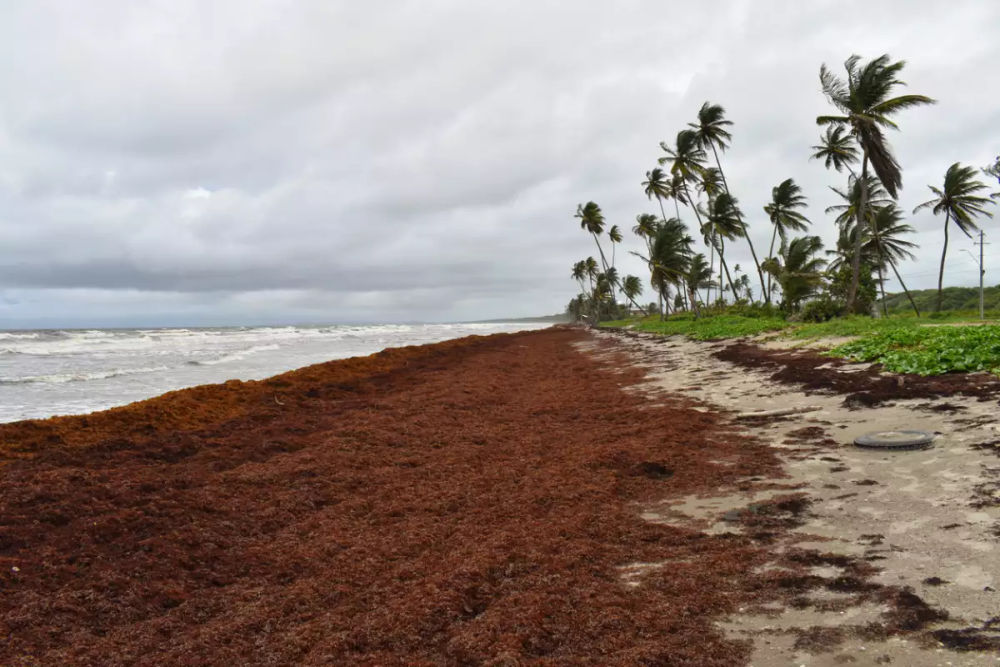
This year’s sargassum bloom has vastly exceeded even the most pessimistic forecasts. Beaches in iconic destinations like Playa del Carmen and Tulum have been overwhelmed by waves of the foul-smelling algae. The consequences have been immediate and visible. Hotel occupancy has plunged by 15 percentage points compared to the previous year, leaving once-busy lobbies empty and once-profitable shops scraping by.
The figures are difficult to ignore. Over 50 million tons of sargassum have already drifted across the Atlantic into Caribbean waters in 2025. To put that in perspective, the infamous 2018 bloom that drew national headlines and sparked federal intervention brought around 20 million tons. That year ignited protests, policy drafts, and frantic cleanup efforts.
This time, the scale is on another level entirely.

A Tale of Two Coasts: Isla Mujeres vs. Playa Delfines
One of the more telling contrasts this season comes from two beaches separated by little more than a ferry ride, but worlds apart in readiness.
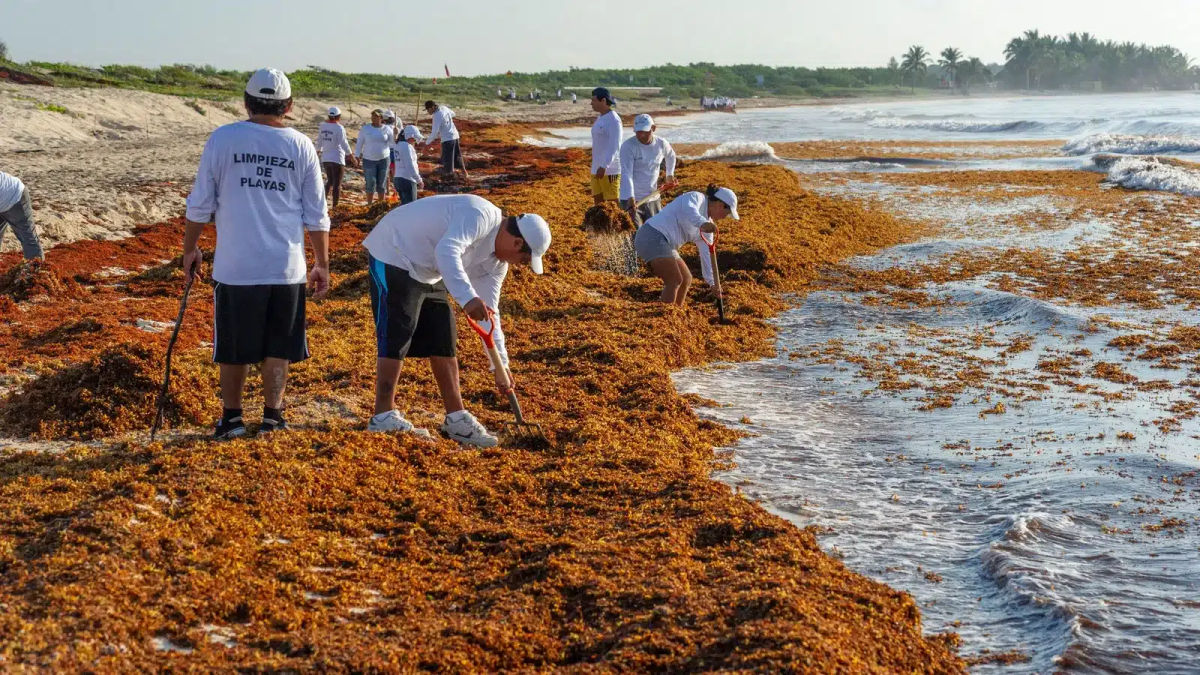
Isla Mujeres, often spared by current patterns, wasn’t so lucky in 2025. Yet the local government sprang into action. Crews began clearing the beach the same day the algae arrived, preventing it from piling up and deterring visitors.
Meanwhile, Playa Delfines in Cancún faced a different fate. Two weeks ago, nine tons of seaweed washed ashore. It took three days before crews could fully remove it. The delay was more than an eyesore. It reflected the structural challenge many municipalities face when dealing with this rapidly escalating problem.
Therein lies the deeper issue, an uneven response strategy. Some areas act swiftly with resources in hand. Others are entangled in red tape, logistical hurdles, or budget shortfalls. As the bloom intensifies, so does the cost of inconsistency.
Why Is Sargassum Getting Worse?
Van Tussenbroek’s diagnosis has gained traction among marine scientists. The Atlantic is becoming increasingly saturated with fertilizers and pollutants. Most of this runoff stems from industrial agriculture and sprawling urban development.
Layered on top of that is the slow burn of climate change. Rising ocean temperatures fuel the growth of sargassum, which thrives in warmer, nutrient-rich waters. Once the bloom begins, ocean currents shepherd these giant floating mats toward the Caribbean coastline.
By the time it reaches the shores of Mexico, containment becomes nearly impossible. And this isn’t a one-off. The pattern is not just repeating. It’s intensifying.

Looking Ahead: What September and October Might Bring
Historically, the sargassum season starts to wind down in the fall. September and October have often brought a temporary reprieve. But this year, experts warn that the lull may not be as generous, or as long-lasting.
Van Tussenbroek urges caution. Each season now begins at a higher baseline than the last. The blooms are getting larger, arriving earlier, and sticking around longer. Without sweeping changes to global emissions and more aggressive management of agricultural runoff, the Caribbean’s war with sargassum may become a permanent one.
Beyond the Beach: Why This Crisis Matters for Everyone
It’s tempting to see sargassum as just a nuisance for sun-seeking tourists and beach-cleaning crews. But its impact runs far deeper.
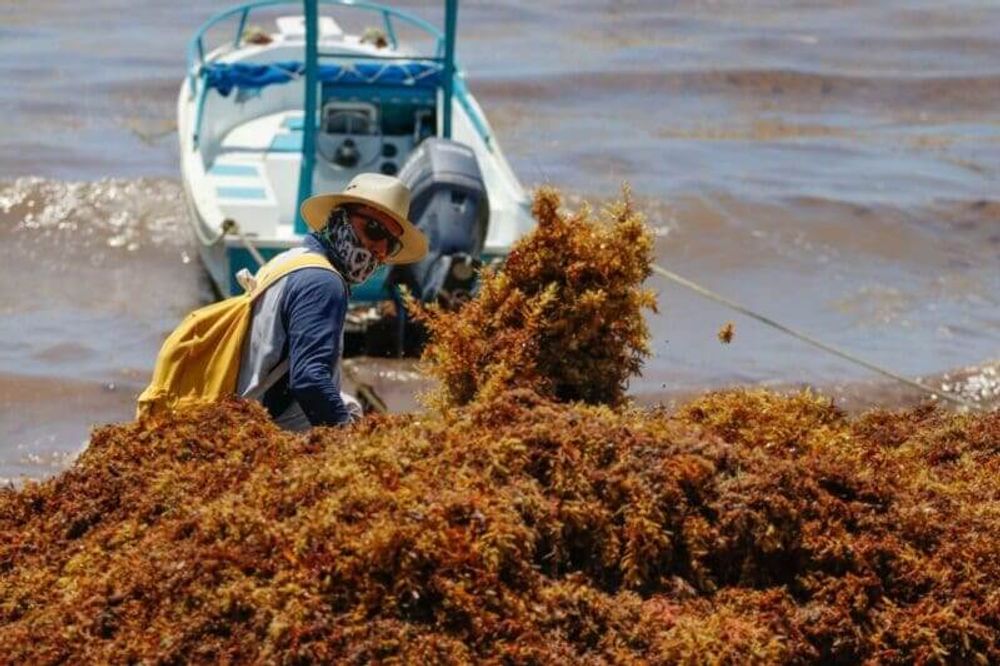
When piled up and left to rot, sargassum emits gases that irritate human lungs and corrode buildings. In the water, it blocks sunlight, strangles coral reefs, and disrupts delicate marine ecosystems. Fish nurseries are destroyed. Coastal livelihoods are strained. Infrastructure ages faster under its corrosive assault.
What once seemed like a seasonal inconvenience is revealing itself as a long-term environmental challenge.

The Unpredictable Becomes the Unavoidable
As we enter the final months of 2025, one question looms: how long can governments, tourism operators, and environmental authorities keep calling this unpredictable?
The evidence is mounting, the patterns repeating, and the consequences intensifying. To continue treating sargassum as a fluke is to ignore the hard truths of our warming world and our polluted waters.
The Tulum Times will continue reporting on this unfolding crisis, bringing you insights and updates from the front lines of the Caribbean’s changing coastline.