
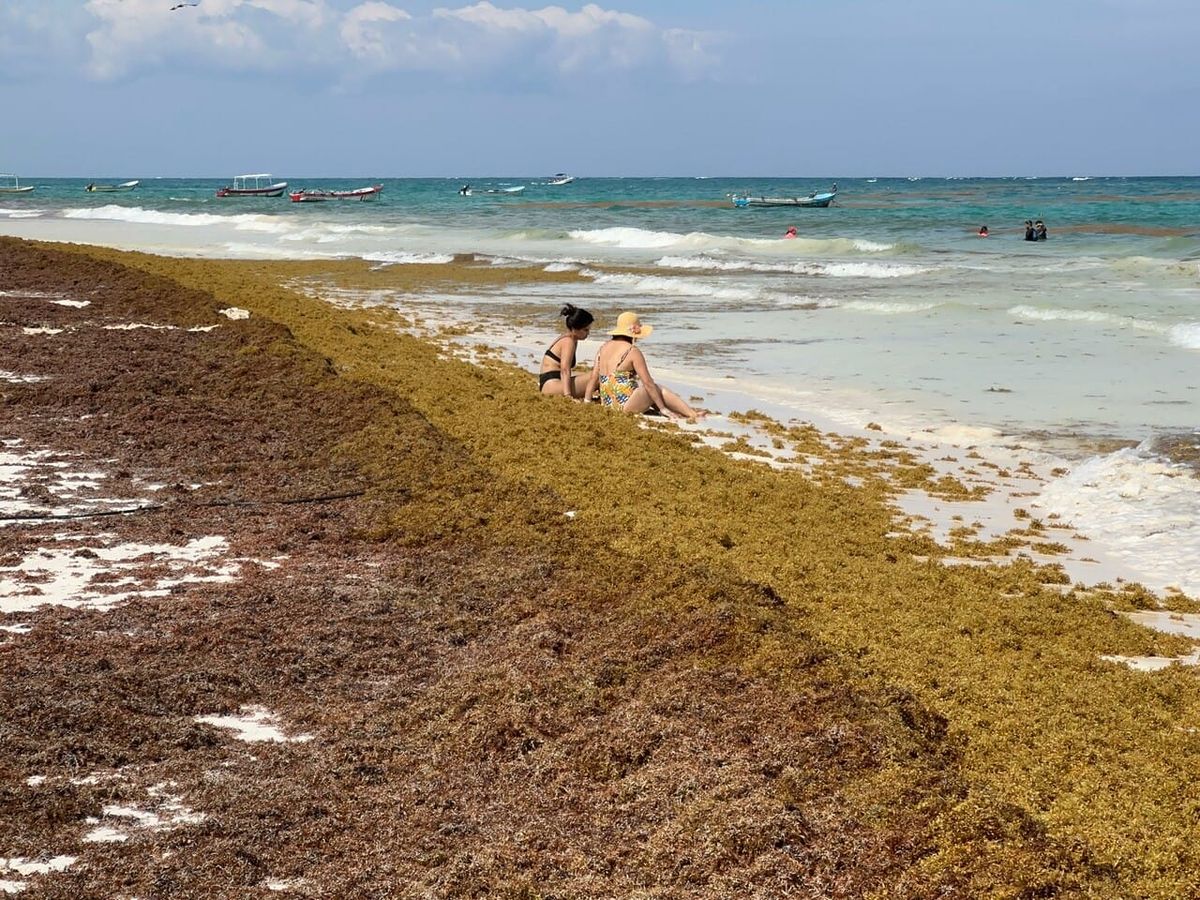
The familiar scent, a mix of ocean brine and something distinctly earthy, is once again drifting through the air, bringing with it the perennial question: why is sargazo, this brown tide of seaweed, so prevalent, especially the sargazo en Cancún, sargazo en Tulum, and throughout the sun-drenched coasts of Quintana Roo? This year, the question of the causas del sargazo feels more urgent than ever, as masses of the marine algae continue to blanket our cherished shores, fundamentally altering the very landscape that draws the world to our doorstep.
### The Unseen Hand: What Drives the Sargazo Surge?
It’s easy to point a finger at a single culprit, but the truth, as always, is far more complex, a tapestry woven from distant forces and global shifts. For years, the North Atlantic has been nurturing vast quantities of this seaweed, a floating ecosystem in itself. But something has changed, tipping the delicate balance.
One theory, gaining traction among those who study ocean currents and marine life, points to the Amazon River, an immense artery of the planet. Its waters, rich with nutrients from the vast South American continent, empty into the Atlantic, creating fertile grounds for marine growth. When these nutrient-laden plumes encounter the warmer waters of the ocean, it’s like adding fertilizer to a garden, only this garden is a boundless expanse of floating sargazo.
### The Warming Waters: A Catalyst for Growth
Then there’s the undeniable factor of rising ocean temperatures. It’s a drumbeat we hear often, and for good reason. Warmer waters act as an incubator, accelerating the growth and proliferation of sargazo. Think of it as a natural thermostat gone awry; as the mercury climbs, so too do the conditions become ideal for this specific type of algae to thrive, pushing its boundaries further than ever before.
This isn’t just about comfort for us; it’s about a fundamental shift in marine ecosystems. The delicate balance that once kept sargazo in its natural, beneficial place in the open ocean is being disrupted, leading to these unprecedented accumulations along our coastlines.
### Far Beyond the Coast: The Caribbean Current’s Role
The journey of the sargazo is a long one, originating thousands of kilometers away and carried by powerful ocean currents. The North Equatorial Current, a colossal conveyor belt of water, transports these vast mats of seaweed across the Atlantic. From there, the Caribbean Current acts as the final usher, guiding these marine rafts directly to our shores. It’s a relentless, natural force, indifferent to our plans or our picturesque postcards.
Understanding these vast ocean movements helps us grasp the scale of the challenge. This isn’t a local issue born of local neglect; it’s a global phenomenon playing out on our beaches, a symptom of larger planetary changes.
The sight of the sargazo, heaped along the shoreline, is a stark reminder of our entangled relationship with the natural world. It’s a yearly unfolding drama, a brown carpet unfurling, and while we continue to seek a lasting solution, there’s an almost resigned acceptance that this is our new reality, at least for now. We watch the tides, we watch the forecasts, and we hope for signs of reprieve, knowing that the ocean, in its vastness, holds many unpredictable secrets.
We’d love to hear your thoughts, join the conversation on The Tulum Times’ social media.