

The environmental collective Sélvame MX is preparing possible legal action against federal authorities after new water quality inspections detected persistent turbidity in caves and cenotes along the Tren Maya Route 5 South, near tourist communities on the Tulum coast.
The findings follow recent underwater inspections carried out by members of the group in areas where the elevated rail infrastructure passes over the region’s underground aquifer system. According to the organization, the conditions observed raise concerns about structural damage and potential contamination linked to the project.
The inspections focus on the southern section of Route 5, a roughly 60-kilometer stretch between Playa del Carmen and Tulum. This segment crosses one of the most fragile karst systems in Mexico, where groundwater flows through interconnected caves and cenotes that supply freshwater to nearby communities and ecosystems.
For Tulum, the issue goes beyond infrastructure safety. The aquifer beneath the area is the primary source of freshwater for residents, hotels, and tourism-related businesses. Any degradation of water quality could have direct consequences for public health, tourism activity, and the long-term sustainability of the region.
Ongoing water tests near Tulum’s tourist coast
José Urbina Bravo, a cave diver and member of Sélvame MX, said that the group continues to detect turbidity in areas where structural columns supporting the rail line appear to be deteriorating. These sites are located near coastal tourism zones south of Tulum.
Urbina Bravo explained that the organization is still analyzing water quality and has not yet released formal results. He said samples must often be tested directly on site because water conditions can change during transport to laboratories, potentially affecting accuracy.
According to Urbina Bravo, in situ testing is essential due to the dynamic nature of underground water flows in the region. Variations in sediment, pressure, and circulation can alter readings in short periods of time, making laboratory-only analysis insufficient.
The continued presence of turbidity, he said, is a source of concern given the ecological sensitivity of the aquifer and its direct connection to cenotes used for recreation and tourism.

Possible legal action adds to unresolved court cases
If Sélvame MX proceeds with new legal action, it would add to a series of lawsuits filed nearly four years ago, when construction of the project first began. Those earlier cases, filed as constitutional injunctions, have not yet been fully resolved.
The group has indicated that any new legal steps would focus specifically on newly identified damage and environmental impacts rather than revisiting earlier claims. According to Urbina Bravo, the organization is currently evaluating the appropriate legal pathways before making a formal announcement.
The lack of resolution in previous court cases remains a point of frustration for activists, who argue that unresolved litigation has allowed construction to continue without fully addressing environmental concerns raised at the start of the project.
For residents of Tulum and surrounding communities, the possibility of new legal action signals that scrutiny of the project’s environmental impact is far from over, even as segments of the railway move closer to full operation.
Damaged columns raise contamination concerns
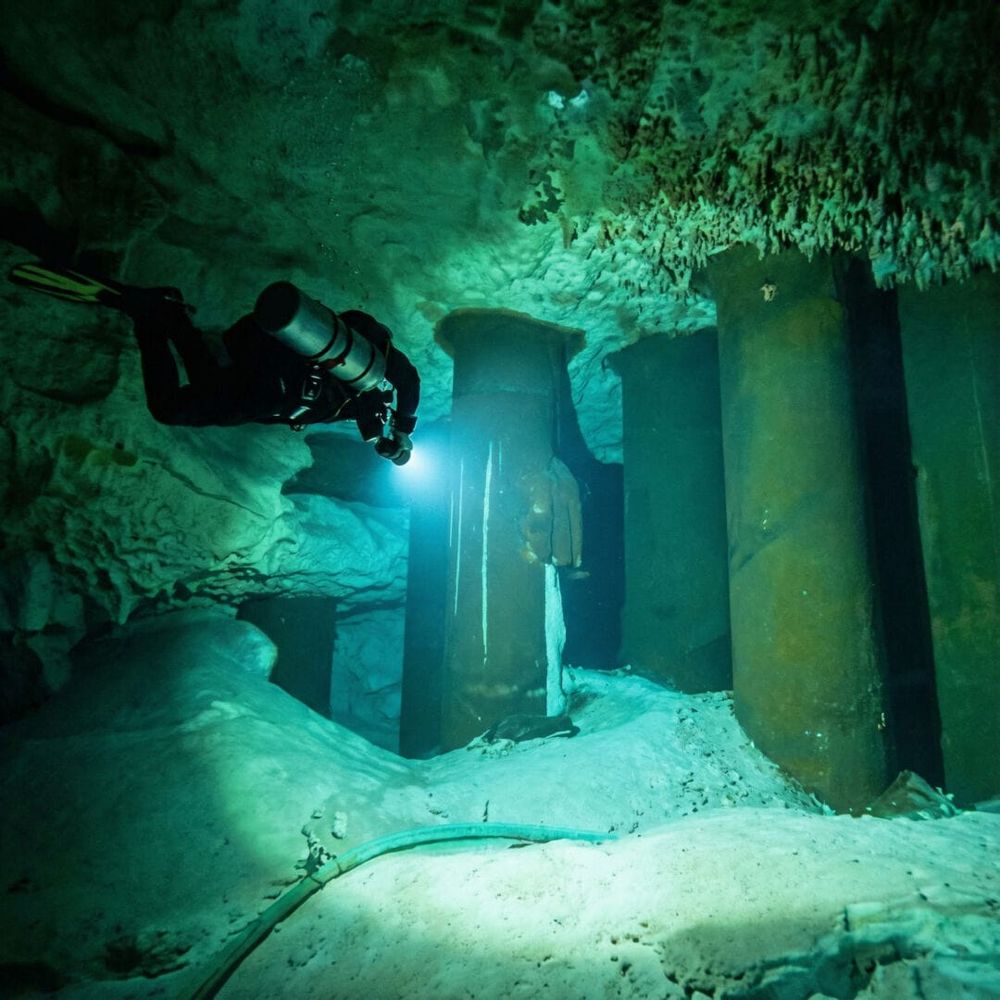
Last week, members of Sélvame MX publicly pointed to several damaged columns that support the elevated rail line along Route 5 South. The group says these structures not only pose a risk to the integrity of the project but could also act as sources of contamination for the aquifer.
Underwater dives conducted near Akumal and Chemuyil revealed columns that appear fractured beneath the surface. According to the group, some of the concrete structures show signs of bursting, while the metal casing used during construction has become detached.
The presence of exposed or deteriorating materials underwater is particularly concerning in a karst environment, where groundwater moves freely through porous rock. Any debris, sediment, or construction residue introduced into the system can spread quickly and affect areas far beyond the original site.
This section of Route 5 South runs through some of the most visited coastal zones in the Riviera Maya. Cenotes and underwater caves in Akumal and Chemuyil are frequented by divers, tour operators, and visitors, making water quality a critical issue for both safety and economic stability.

Environmental oversight and unfulfilled mitigation measures
Urbina Bravo also said that federal authorities have yet to comply with earlier commitments to remove protective fencing installed along sections of the project. According to Sélvame MX, this mesh continues to pose a risk to wildlife by restricting movement and increasing the likelihood of animal injuries.
The fencing issue highlights broader concerns about environmental mitigation measures associated with the project. While authorities have repeatedly stated that safeguards are in place, activists argue that implementation on the ground has been inconsistent.
For Tulum, where wildlife corridors intersect with expanding infrastructure, incomplete mitigation can have lasting effects. Disrupted animal movement can increase road mortality, alter ecosystems, and further strain protected areas already under pressure from urban growth and tourism.
The Tulum Times has previously reported on environmental monitoring and legal challenges surrounding the project, reflecting ongoing tensions between infrastructure development and conservation priorities in the region.

What happens next for communities and ecosystems
At present, Sélvame MX continues to conduct water quality testing while reviewing legal options. No timeline has been announced for filing new lawsuits, and the group says it will wait until it has conclusive data before taking formal action.
For residents, business owners, and visitors in Tulum, the situation underscores the importance of transparency around environmental monitoring. Any confirmed contamination of the aquifer could have immediate implications for water use, tourism operations, and public confidence in the safety of natural attractions.
The next steps will depend on the results of ongoing tests and whether authorities respond to the concerns raised. What is clear is that scrutiny of the Tren Maya Route 5 South remains active, with potential legal, environmental, and economic consequences still unfolding.
What is at stake is the long-term health of the aquifer beneath Tulum and the surrounding coast, as well as accountability for how large-scale infrastructure interacts with fragile ecosystems. What changes next will depend on whether new legal actions move forward and how authorities address the findings related to Tren Maya Route 5 South.
We’d love to hear your thoughts. Join the conversation on The Tulum Times’ social media.
How should major infrastructure projects be monitored to protect Tulum’s water sources?