
In the heart of the Mexican Caribbean, where turquoise waters meet pristine sands, a critical environmental battle is brewing. A recent decision by the **SEMARNAT denies CAPA permit Tulum**, effectively halting a controversial water extraction project in the environmentally sensitive Parque Nacional del Jaguar. This move underscores the growing tension between rapid development, driven by a booming tourism industry, and the vital need to protect the region’s dwindling natural resources.
The denial, issued on June 21, 2025, by the Secretaría de Medio Ambiente y Recursos Naturales (SEMARNAT), represents a significant victory for environmental protection advocates and highlights the complex challenges facing Tulum. The Commission of Potable Water and Sewerage (CAPA) of Quintana Roo had sought permission to drill 24 water wells within the national park. The objective was to increase the water supply in the coastal zone, a response to the construction boom in the region. This proposed development, however, ignited a heated debate, pitting the economic interests of the construction and tourism sectors against the ecological integrity of the park.
## The Environmental Stakes
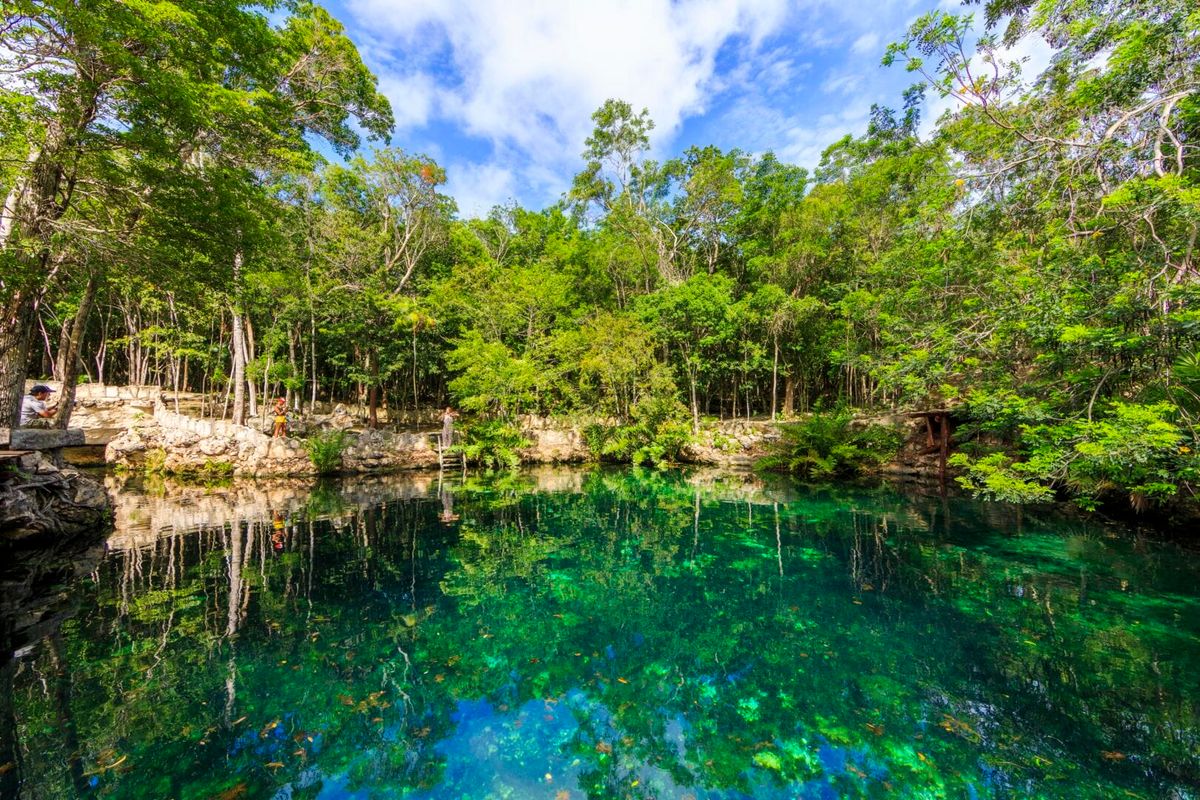
The Parque Nacional del Jaguar is a vital component of the region’s delicate ecosystem. It’s a protected area that safeguards the unique flora and fauna and protects the underground rivers and cenotes of the Gran Acuífero Maya. SEMARNAT’s decision was based on concerns over the impact of excessive water extraction on the local environment. The authorities determined that the proposed well drilling could harm the hydrological balance, endanger native species, and jeopardize the integrity of the cenotes and underground rivers critical to the region’s water supply.
The project’s rejection serves as a potent reminder of the strain that unchecked tourism development places on Tulum’s limited resources. The area has seen a surge in hotels, condominiums, and tourist attractions, all demanding more water. This relentless pressure fueled CAPA’s proposal, highlighting a growing crisis of how to reconcile economic growth with environmental sustainability. The SEMARNAT’s stance signals a shift toward more judicious management of water resources, crucial not only for the ecological well-being of Tulum but also for ensuring the long-term viability of its tourism industry.
## The Broader Context: Development vs. Preservation
The denial of the permit occurs against a backdrop of rapid, often unregulated, urban expansion in Tulum. Environmental organizations have voiced concerns that the over-extraction of water could exacerbate existing challenges, including the contamination of the aquifer and the depletion of freshwater resources. This latest decision can be interpreted as a step towards creating sustainable methods for growth, protecting the environment for generations to come. The denial is a strong warning to development interests.
This pivotal decision offers a stark choice: Will Tulum continue on its current trajectory, risking ecological devastation? Or will it prioritize a more sustainable approach, balancing economic opportunities with environmental conservation? The outcome of this struggle will shape the future of this iconic destination and serve as a crucial example for other rapidly developing tourist hotspots around the world.
The decision delivered by SEMARNAT marks a turning point in Tulum’s history. The future of this slice of paradise hinges on the responsible stewardship of its precious natural assets. The ongoing dialogue and action within Tulum and across the nation over the coming months will be critical in determining if this action marks a real turning point.
We’d love to hear your thoughts, join the conversation on The Tulum Times’ social media.