
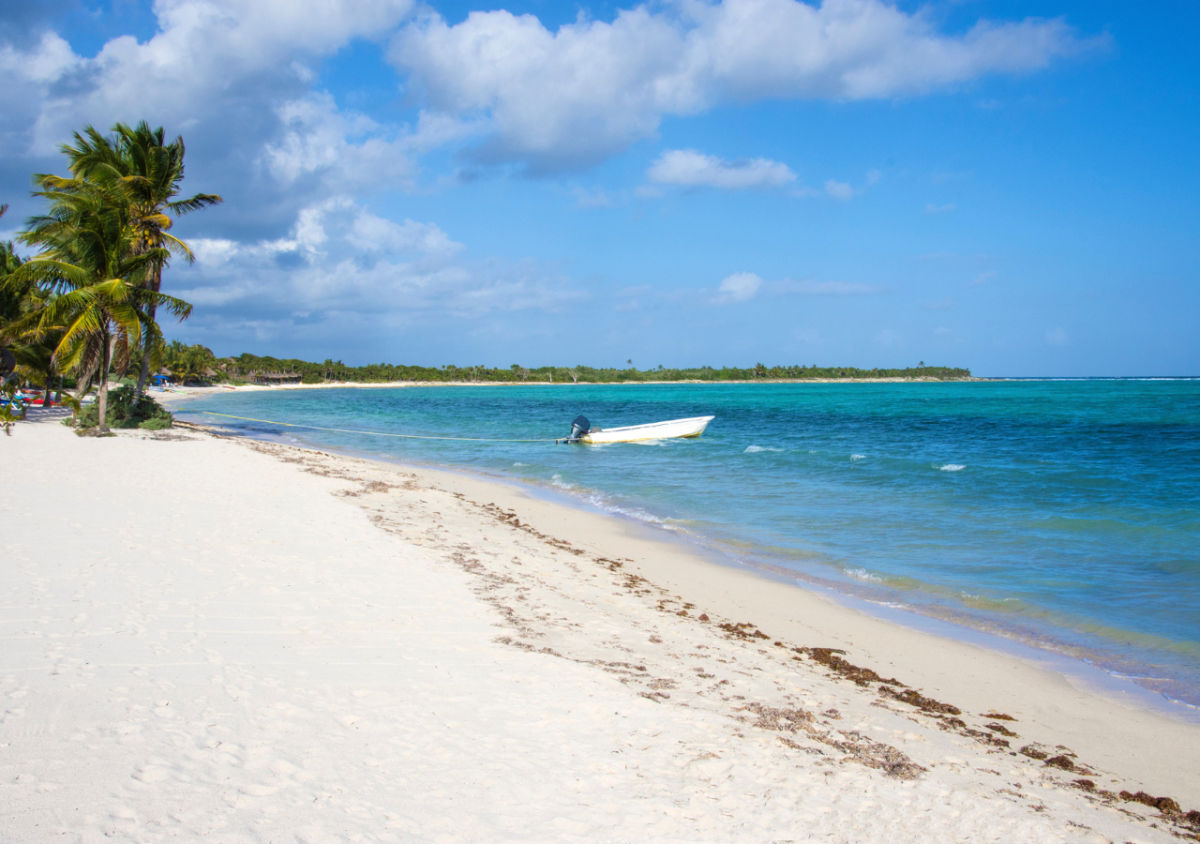
There is a kind of beauty in Tulum that makes the word “paradise” feel almost insufficient. Cenotes so clear they mirror the sky, jungles dense with life, and beaches where white sand fades into a turquoise horizon. For years, travelers have come chasing that vision. And they still come, nearly two million of them each year. But beneath the postcard image, the town is straining to keep up.
In just two decades, the local population has surged from fewer than 7,000 residents to nearly 47,000. This rapid growth has brought economic opportunity, yes, but also more than 120,000 tons of garbage each year. Streets, drains, and water systems are buckling under the weight. Real estate developments rise overnight, sometimes without anyone asking whether they belong there at all.
An Environmental Treasure at Risk
Tulum is more than a backdrop for vacation photos. It is home to the largest underground river system on the planet and the world’s second-largest barrier reef. The beaches, including those in Bahía Solimán, serve as nesting grounds for sea turtles, their annual arrival part of an ancient cycle that predates human memory. Yet mangroves, wetlands, and coral reefs are disappearing faster than nature can repair the damage.
The Rise of a Citizens’ Movement
Locals have given the crisis a name: ecocidio, ecocide. It’s a word loaded with accusation, describing the unchecked destruction of ecosystems. Among the most vocal defenders is Defendiendo el Derecho a un Medio Ambiente Sano (DMAS), which has joined forces with other community groups to push the fight beyond protests and into legal action.
In 2025, the citizen collective OncePorCuatro, representing residents from all eleven municipalities of Quintana Roo, presented a set of proposals to the state congress. Their mission is straightforward: compel authorities to protect the environment and manage urban growth before what remains is lost for good.
The Solimán Law: A Blueprint for Responsible Growth
Of all the proposals, the Solimán Law stands out. Its core idea is simple yet profound: dignified housing must go hand in hand with urban development that respects both the law and the environment.
The law would criminalize urban planning violations, halting illegal projects before they permanently scar the landscape. Selling or promoting subdivisions and condos without proper permits would become a punishable offense. The half-built shells of unauthorized developments, now a common sight, would face mandatory demolition or completion in line with regulations, with direct accountability for both developers and the officials who enable them.
One of the most notable provisions would require the state to repair environmental damages caused by negligence by public servants. Citizens could demand both compensation and restoration, rather than being left with frustration and loss.

Why the Term “Urban Ecocide” Matters
Supporters argue that some municipalities have approved developments without environmental impact studies, endangering cenotes, mangroves, wetlands, and reefs. Bahía Solimán was chosen as the law’s namesake because it embodies the visible consequences of careless urbanization, damage in a place that should have been untouchable.
The proposal draws from real-world cases and places citizen participation at its core. It would not replace existing complaint channels like Profepa, but it would strengthen penalties for ignoring environmental protections. Its goal is to enforce land-use rules, stop projects without proper assessments, and guarantee that affected communities can demand justice and restitution.
What’s at Stake for Tulum’s Future
The Solimán Law has not yet been enacted. But it has already sparked an important public debate about ending the sale of illegal land and stopping unpermitted construction. It represents a vision for a slower, more deliberate growth, one rooted in the understanding that the environment is not a disposable asset.
As activists often say, development cannot keep destroying the very systems that sustain life. The law, even in its early stages, marks a step toward real accountability. In a place like Tulum, where paradise and peril coexist along the same shoreline, that step could mean the difference between a living treasure and a fading memory.
We invite you to join the discussion and share your thoughts on The Tulum Times’ social media channels.