
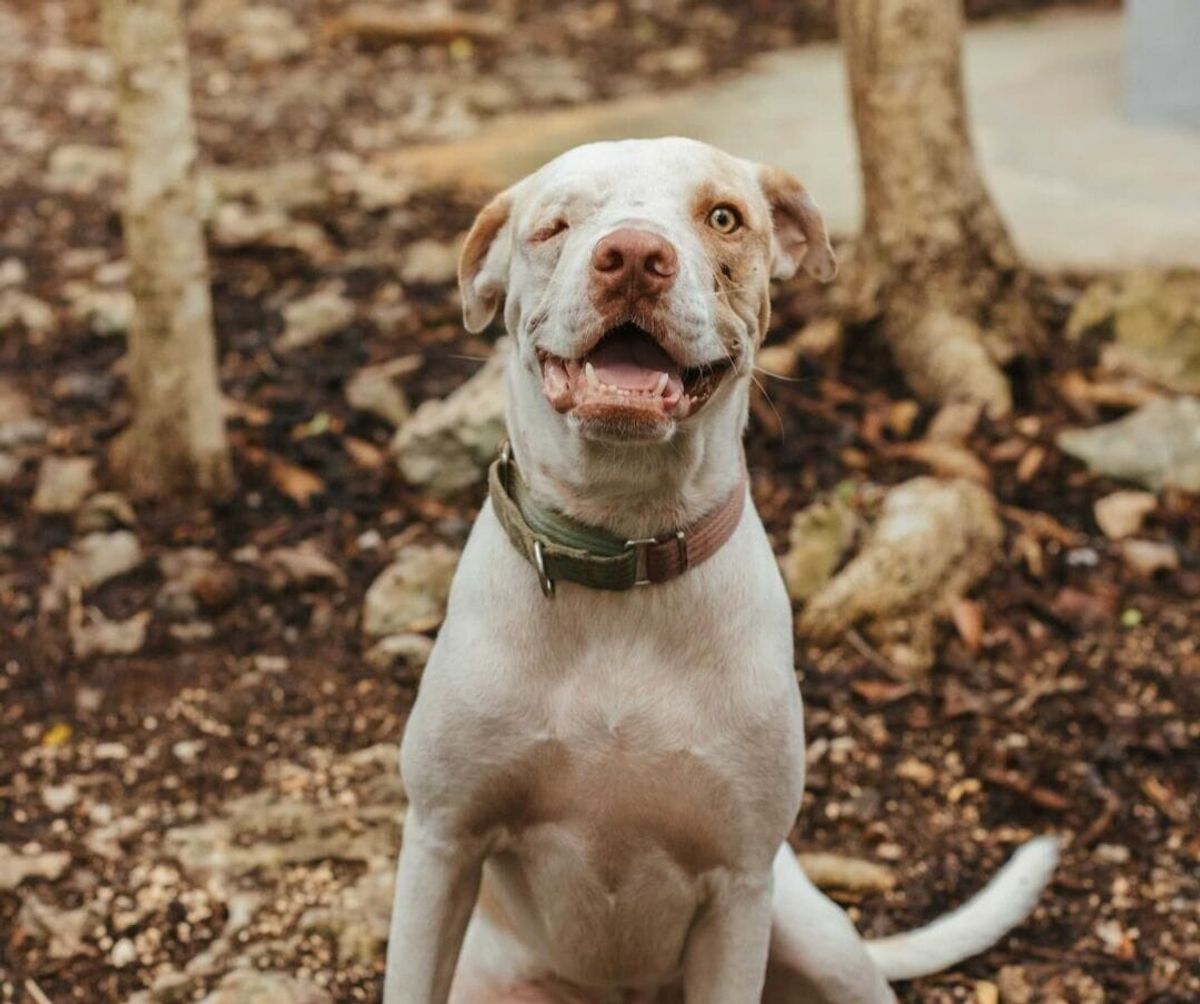
A local animal welfare initiative in Tulum is preparing a focused intervention aimed at reducing the long-term suffering of street dogs while offering immediate help to families who cannot afford basic veterinary care. The Tejido Project will carry out a spay and neuter clinic on Saturday, January 17, beginning at 12 p.m., through a pop-up mobile clinic in the parking lot of Soriana Hyper Tulum.
The clinic is expected to sterilize 55 dogs, including animals living on the streets and dogs owned by community members without the financial means to access the procedure on their own. The operation is being sponsored by PorQueNo Tulum Festival, which is donating more than $2,000 to cover the cost of the clinic. Volunteers from PorQueNo will also be present at the event, and additional fundraising is taking place through the festival to support the effort.
For organizers and volunteers, the clinic reflects a belief that prevention, while less visible than rescue, is one of the most humane responses to the ongoing street dog crisis in Tulum.
A sanctuary built for dogs often left behind
The Tejido Project operates as a dog sanctuary focused on animals that are frequently considered unadoptable due to age, trauma, or medical conditions. Many of the dogs taken in by the organization have lived through neglect or injury, arriving fearful and physically exhausted. The sanctuary was created with the intention of offering these animals stability rather than temporary relief.
Tulum does not have a formal animal shelter, a reality that shapes every aspect of the project’s work. In the absence of institutional support, street dogs depend largely on informal networks of volunteers, fosters, and donors. The Tejido Project positions itself within that gap, offering coordinated care that includes food, vaccinations, medical treatment, and long-term support for foster families.
Its guiding principle centers on education, prevention, cause, and community, with the understanding that rescue alone cannot keep pace with the number of dogs born into unsafe conditions.

Prevention as an act of compassion
Spay and neuter clinics are at the core of the organization’s strategy. The upcoming Tejido Project spay and neuter clinic is designed to address the root causes of overpopulation rather than its symptoms. By prioritizing sterilization, the project seeks to prevent cycles of suffering that repeat year after year.
Unsterilized dogs, particularly females, endure repeated heat cycles that often result in forced mating, pregnancy, and the physical toll of giving birth and raising puppies without adequate food or shelter. Volunteers involved in the project describe this cycle as both predictable and preventable. Sterilization is viewed not as a technical procedure, but as a way to spare animals from harm that is otherwise inevitable.
A mobile clinic in the heart of the community
The decision to bring a mobile clinic to downtown Tulum reflects an effort to meet both animals and residents where they are. By setting up in a central location, the project aims to remove barriers that often prevent responsible pet ownership, especially cost and transportation.
The clinic will serve street dogs as well as owned pets whose caregivers want to do the right thing but lack the resources to access veterinary services. Organizers see this approach as essential to building trust and shared responsibility within the community.

The quieter work behind every rescue
Beyond one-day clinics, the daily reality of the sanctuary involves slow and often emotionally demanding work. Dogs recovering from injury or neglect may take weeks or months to regain strength and confidence. Foster families provide temporary homes where animals can rest, learn routines, and experience consistent care, sometimes for the first time.
Not every dog will be adopted quickly. Some may remain under the project’s care for years. For volunteers, progress is measured in small changes: a dog that eats without fear, one that sleeps through the night, and another that allows gentle touch. These moments rarely draw attention, but they define the project’s impact.
How the community can participate
The Tejido Project offers multiple ways for supporters to get involved. Donations begin at $11 and are directed toward veterinary fees for spay and neuter services. Volunteering as a foster helps dogs transition from street life to adoption, while hands-on support is needed for clinics, transportation to veterinarians, and airport transfers.

Travelers leaving Tulum can also assist as flight angels, accompanying adopted dogs to their new homes abroad. Each role, whether brief or ongoing, contributes to a network that functions as a shared safety net for animals with few alternatives.
As The Tulum Times has observed in previous coverage of local animal welfare efforts, these initiatives depend not on scale but on consistency. Each clinic reduces future suffering in a way that is immediate and measurable, even if the broader problem remains unresolved.
What is at stake is not only the number of dogs sterilized on a single afternoon, but whether prevention continues to be treated as a collective responsibility. The Tejido Project spay and neuter clinic represents one response to that question, grounded in the belief that care, sustained over time, can change outcomes for animals who otherwise remain unseen.
Learn more and connect with The Tejido Project:
Official Website: www.thetejido.com
Instagram @thetejidoFacebook The Tejido
We’d love to hear your thoughts. Join the conversation on The Tulum Times’ social media.
What role do you think prevention should play in addressing Tulum’s street dog crisis?