

Before the Caribbean sun stretches over Tulum’s horizon and tourists begin to populate its shores, something quieter, and far more urgent, begins. It’s not a spectacle. It doesn’t demand applause. But it’s exactly what the planet needs.
Welcome to the SAK Program, an initiative where community, science, and sustainability collide with precision. And heart.
What Is the SAK Program and Why It’s Different
Spearheaded by Fundación Eco-Bahía, the environmental division of Grupo Piñero, the SAK Program isn’t just about collecting garbage. It’s about transforming coastal conservation into something systematic, data-driven, and deeply human.

In its second quarter report, covering April to June, the program shared a compelling summary of its activities: four beach and marine cleanups conducted in ecological hotspots like Xcacel-Xcacelito Protected Area and Playa Aventuras DIF, spanning 1.5 kilometers of coastline and 1 kilometer of sea.
But the collection was just the beginning.
From Picking Up Trash to Understanding It: The Program’s Scientific Edge
This quarter introduced a new monthly waste classification strategy. The goal: not only to clean, but to analyze the types and origins of pollutants threatening Tulum’s biodiversity.
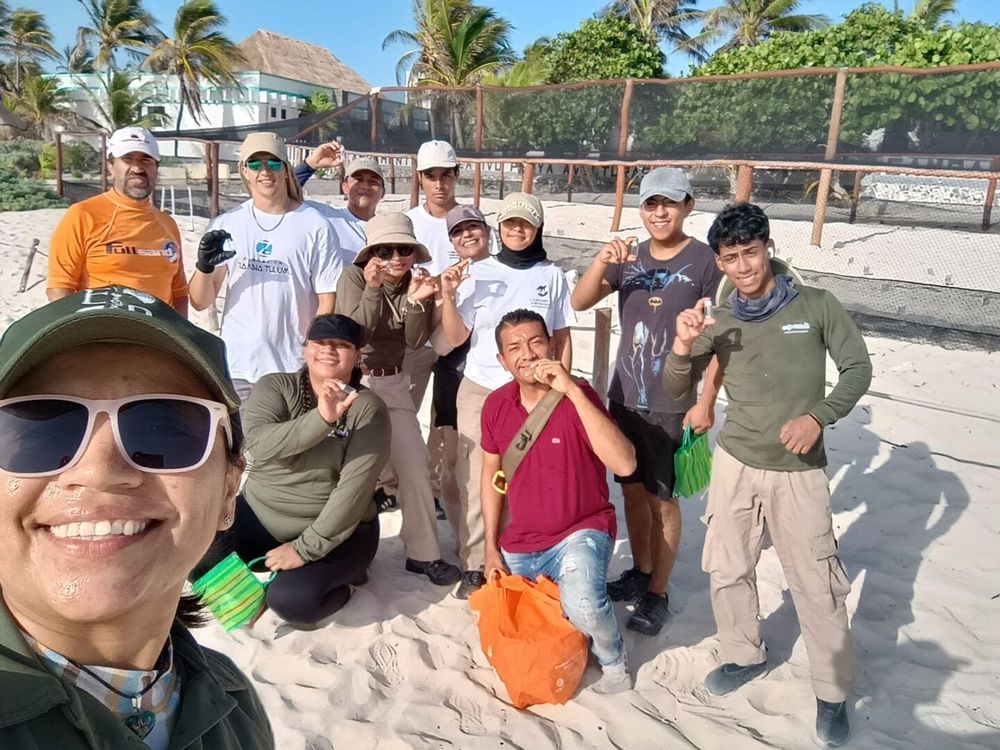
As Luis Verdín, Manager of Fundación Eco-Bahía, explained, “Collecting waste is just the first step. Understanding it is what transforms action into strategy.”
The findings were sobering. The most common items included single-use plastics, cigarette butts, Styrofoam containers, and a troubling array of hazardous waste, from syringes and batteries to medications and hygiene products.
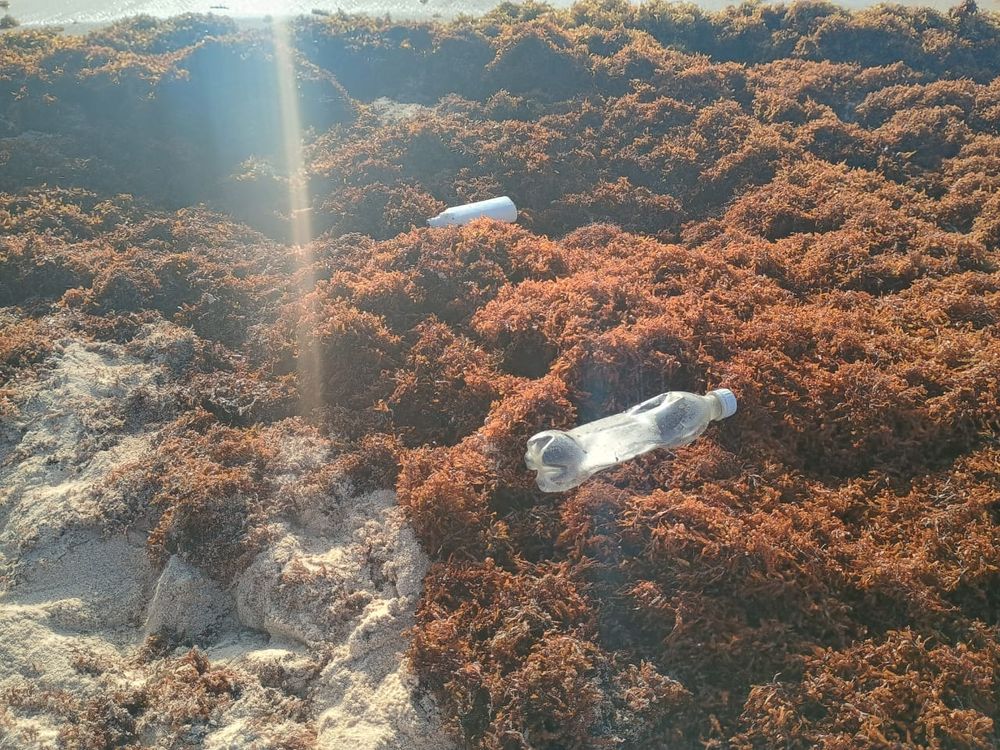
More alarming still: 128 nurdles, tiny microplastic pellets, were found and documented on the global Nurdle Patrol platform. Nearly invisible to the naked eye, nurdles are among the most toxic forms of marine pollution, often mistaken for food by fish and birds. Each one is a threat dressed in silence.
From Beaches to Backstreets: Expanding the Cleanup Map
The SAK Program is not confined to postcard-perfect beaches. This quarter, its efforts reached inland, participating in urban waste removal in Chemuyil and conducting a marine cleanup operation on World Oceans Day, removing both floating and submerged debris that endangers coral reefs and marine life.

These actions aren’t isolated events. They’re embedded within Grupo Piñero’s Natural Capital strategy, which aligns with multiple United Nations Sustainable Development Goals, particularly those focused on life below water (SDG 14), responsible consumption (SDG 12), and sustainable cities (SDG 11).
The Power of Local Volunteers: Building a Regenerative Culture
At the core of the SAK Program are its people. Not politicians or executives, but everyday citizens, divers, environmentalists, and hospitality workers who show up with gloves, buckets, and a quiet kind of conviction.
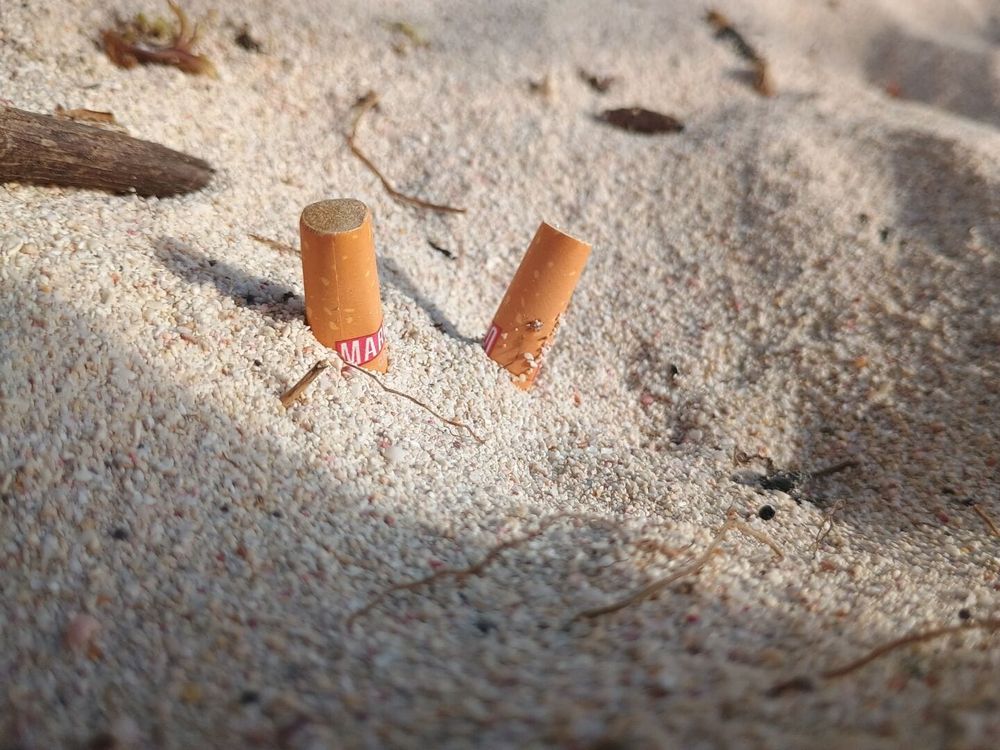
The initiative thanked its partners, including Bahía Príncipe México, Tulum Country Club, Scubaquatic, Tulum Circula, Nurdle Patrol, and the many volunteers who continue to prove that change doesn’t always come from sweeping gestures. Sometimes, it starts with picking up a cigarette butt or separating trash on a humid morning.
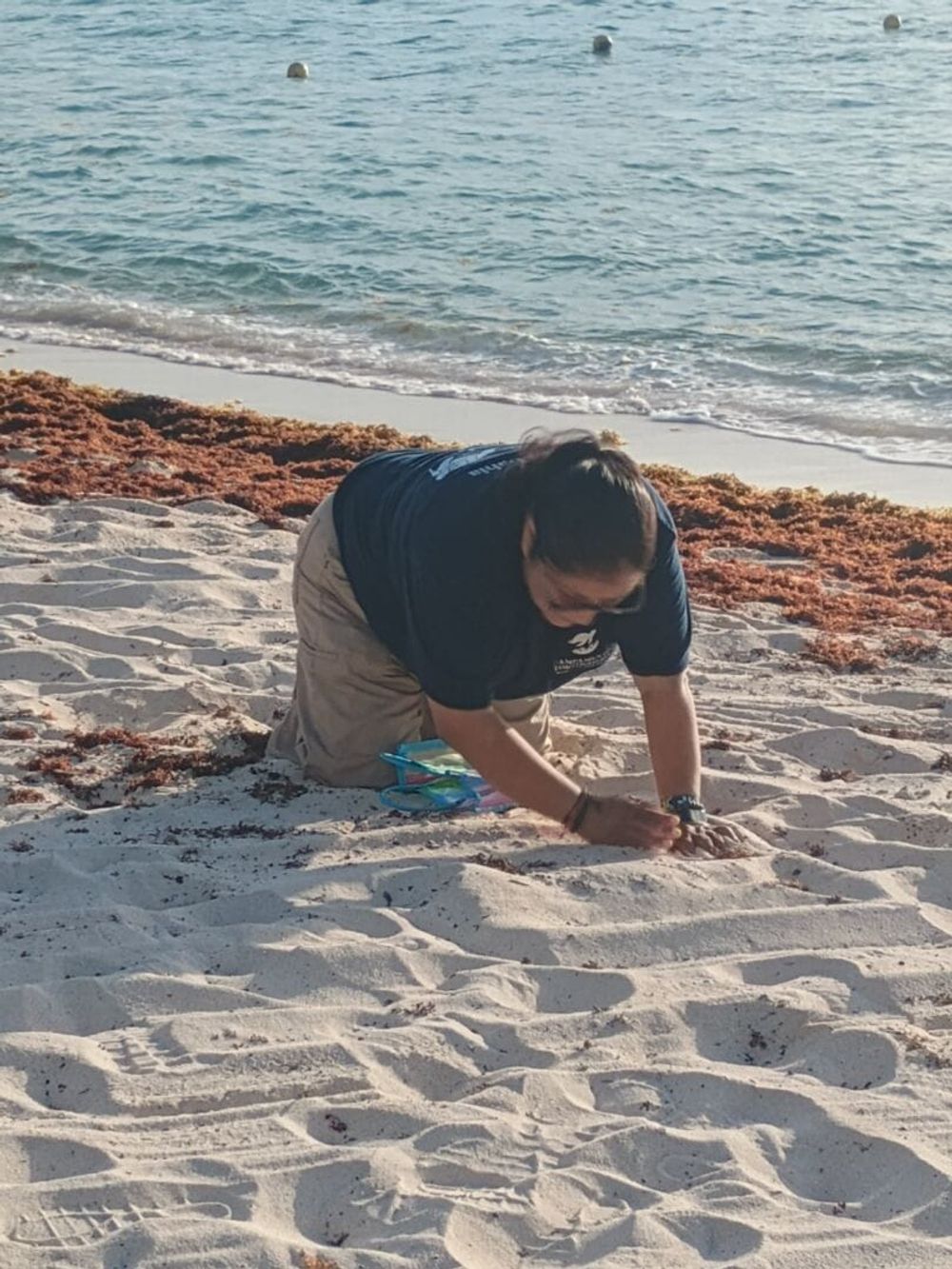
In a region known for luxury resorts and breathtaking beaches, the SAK Program reminds us that true sustainability isn’t built on slogans, but on small, repeated acts. Acts that, over time, become culture.
And that culture is growing.

Want to know how you can be part of the solution? Follow The Tulum Times for updates on community cleanups, environmental stories, and the people redefining tourism, one piece of trash at a time.
By Lorena Herrasti.