
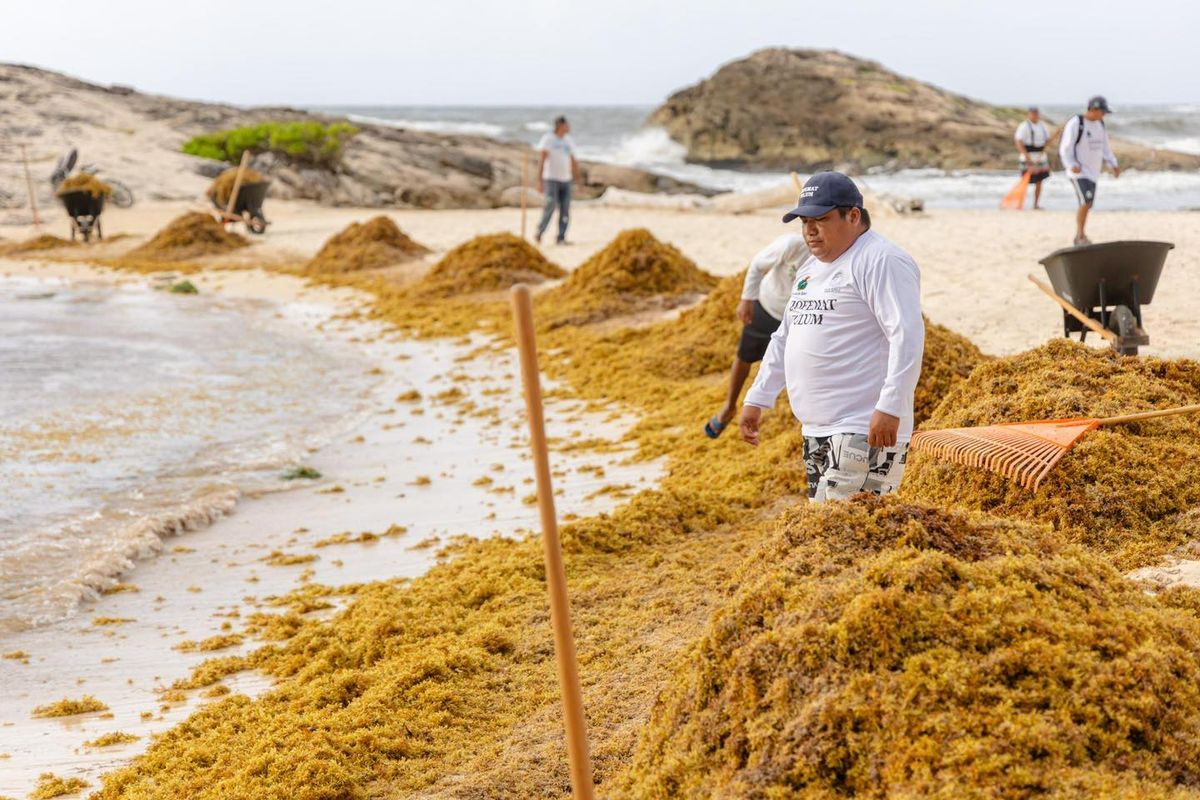
The rhythmic ebb and flow of the Caribbean, typically a source of tranquility and economic prosperity in Quintana Roo, often conceals a formidable, ever-present challenge: the cyclical surge of sargassum seaweed. Each year, this macroalgae blankets coastlines, fundamentally altering the pristine allure of destinations like Tulum. In response to this persistent ecological phenomenon, authorities have intensified their mitigation strategies, emphasizing both ongoing beach cleanup operations and the deployment of extensive
**Tulum Sargassum Barriers.**
The current phase of these efforts, initiated in recent days, centers on the vigorous cleansing of affected shorelines, a task demanding considerable logistical coordination and sustained diligence. This comprehensive approach acknowledges the multifaceted nature of the sargassum influx, which impacts not only the delicate marine ecosystem but also the region’s vital tourism industry. The immediate objective is to restore the aesthetic and recreational integrity of the beaches, allowing for unimpeded public access and enjoyment.
### Strategic Deployment of Tulum Sargassum Barriers
A pivotal element of the long-term containment strategy involves the installation of nearly three kilometers of sargassum barriers. Specifically, 2.5 kilometers of these specialized floating pontoons are designated for deployment in strategic coastal areas surrounding Tulum, creating a crucial line of defense against the influx. This significant undertaking underscores a proactive shift from purely reactive cleanup to pre-emptive containment, designed to minimize the volume of seaweed reaching the shore. The effectiveness of these barriers hinges on their strategic placement, directing the sargassum currents away from critical zones and facilitating its collection at sea.
This ambitious barrier project receives substantial operational and technical support from the Secretary of the Navy, a collaboration that leverages military precision and resources for environmental protection. The involvement of naval assets ensures that the installation process is conducted with the utmost efficiency and adherence to engineering specifications, given the dynamic and often unpredictable nature of coastal waters. Their expertise is invaluable in navigating the complexities of large-scale marine deployments, reinforcing the robustness of the sargassum containment infrastructure.
While the primary focus remains on the prevention of sargassum landing on beaches, daily manual collection efforts persist as an essential component of the overall strategy. These ongoing operations involve dedicated teams removing accumulated seaweed from the sand, ensuring that any sargassum that bypasses the barriers or arrives during peak influx periods is promptly addressed. This dual approach of containment and manual removal forms the bedrock of the regional response.
The effectiveness of these combined strategies is under constant evaluation. The sheer scale of the sargassum phenomenon, driven by shifting ocean currents and nutrient upwellings, necessitates adaptive management and continuous investment. However, the coordinated efforts, particularly the strategic deployment of the Tulum sargassum barriers, represent a calibrated response to safeguard the environmental and economic vitality of one of Mexico’s most cherished coastal treasures. The balance between allowing natural processes and mitigating their impact on human activity remains a delicate, ongoing endeavor.
We’d love to hear your thoughts, join the conversation on The Tulum Times’ social media.