
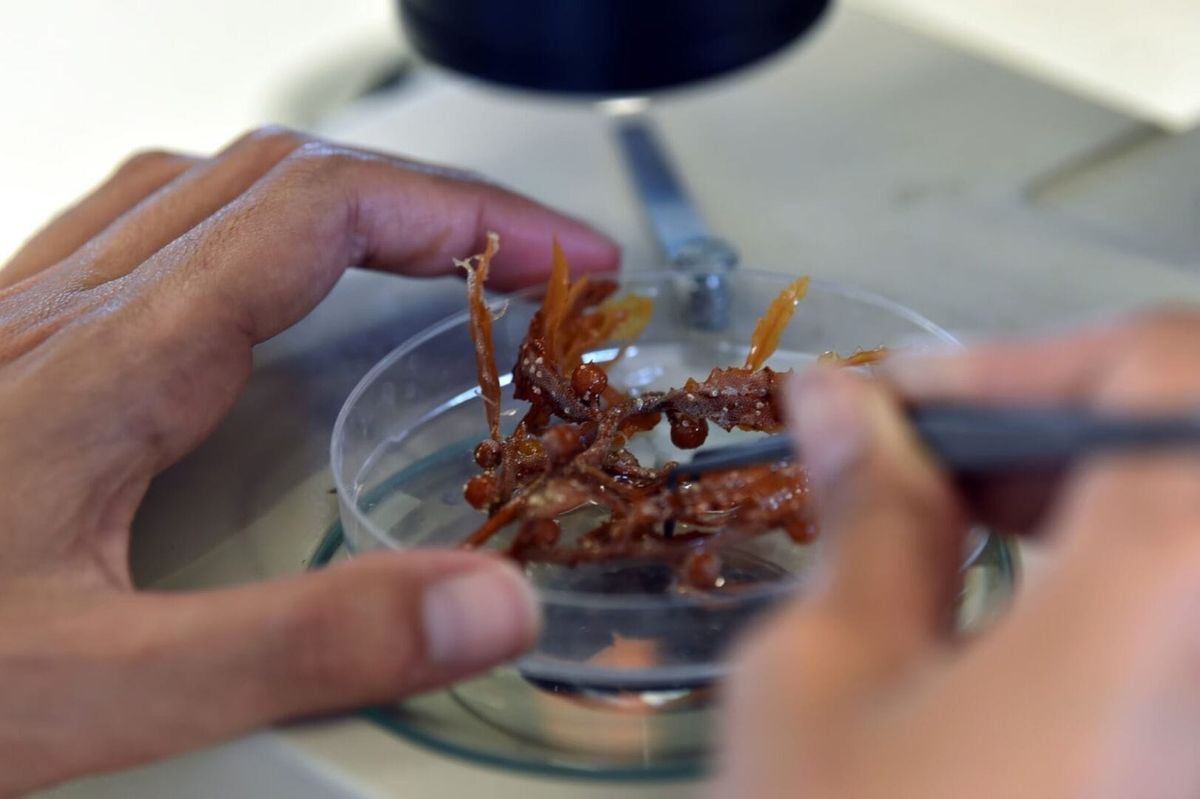
Every year, vast mats of seaweed drift ashore along the Riviera Maya, painting once-pristine beaches in hues of brown and gold. Once seen solely as an environmental menace, this floating biomass is now being reclaimed as a catalyst for innovation, sustainability, and social impact. Across Quintana Roo, scientists, entrepreneurs, and communities are unlocking the untapped potential of seaweed, transforming it into eco-friendly products, green infrastructure, and creating local employment opportunities.
The Rise of Seaweed-Based Construction
At the forefront of sustainable innovation is a company in Puerto Morelos producing “SargaBlocks”, eco-bricks composed primarily of dried seaweed mixed with clay. These blocks, which are both affordable and durable, have already been used to build homes for families in need and are now forming the foundation of an eco-resort in Tulum. The bricks require no cement or steel reinforcement, offering a climate-resilient alternative to traditional construction while diverting tons of organic waste from landfills.

This isn’t just construction; it’s transformation. One facility alone processes over 200 tons of wet seaweed weekly, repurposing a nuisance into an asset that shelters people and stabilizes coastlines.
Seaweed Plastic and Sustainable Packaging
Another frontier lies in biodegradable packaging. Startups in Mexico have developed plastic-like materials from seaweed, converting each ton into multiple tons of usable bioplastic. The resulting materials, ranging from foams and films to compostable plates, offer an eco-friendly alternative to petroleum-based packaging.

The versatility of this algae is remarkable. Whether molded into utensils, biodegradable bags, or woven into yarn, seaweed is redefining what packaging can be: regenerative and non-polluting.
Beauty from the Sea
The benefits of seaweed aren’t limited to infrastructure and packaging. In the world of cosmetics, the algae’s nutrient-rich profile is making waves. A local cooperative, BioMaya, crafts bath soaps using fresh seaweed, infusing them with rose, honey, or coconut. These artisan products support Mayan women, fund coastal cleanups, and now reach customers from Cancun to Mexico City.

Other initiatives are developing seaweed-based skin creams, sunscreens, and even vegan “leather” made from the fibrous texture of the algae. In spas and hospitals across the region, the beauty of the Caribbean is being bottled.
From Algae to Agriculture
In agriculture, the mineral-rich nature of seaweed is proving invaluable. Industrial operations and small farms alike are turning seaweed into organic fertilizers and biostimulants. Some companies now process up to 600 tons daily, creating thousands of tons of biofertilizer every month.

Whether added to compost or applied directly to crops, these products enhance soil quality and reduce dependence on chemical fertilizers, offering a sustainable path forward for Mexican agriculture.
Empowering Communities Through Seaweed
Perhaps the most inspiring stories are those of local empowerment. Across the Riviera Maya, grassroots cooperatives and artisan workshops are utilizing seaweed to create a range of crafts, home décor items, and notebooks. In Puerto Morelos, hundreds of families are employed in the collection and preparation of seaweed for processing.
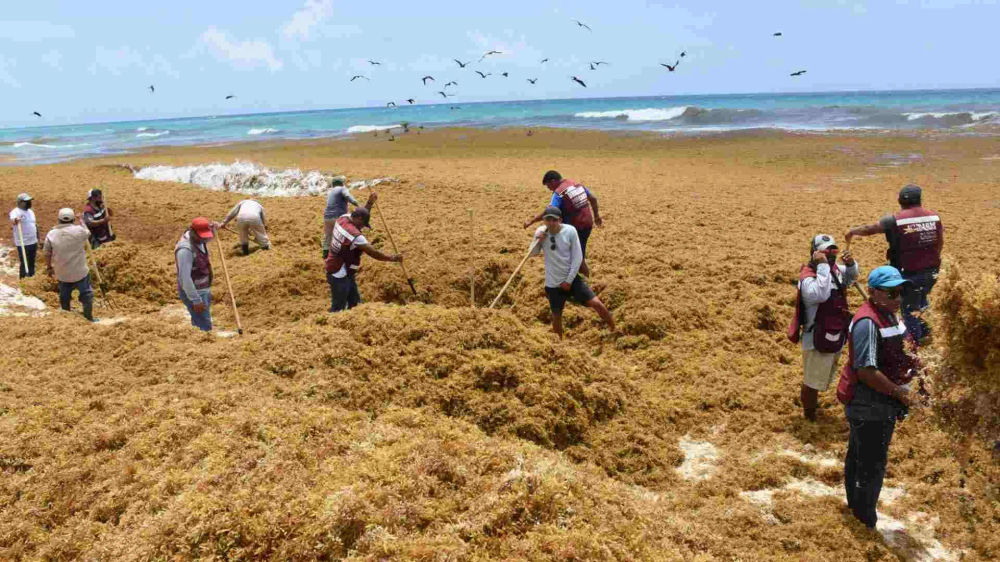
Local governments have also stepped in, creating temporary employment programs that utilize beach cleanups to generate income and foster civic pride. These jobs, although modest in pay, bring stability and purpose to coastal communities that have historically relied on tourism alone.
Science and Sustainability: Pilot Projects Lead the Way
Research institutions and public–private partnerships are investing in long-term solutions for seaweed. From growing edible mushrooms using seaweed as a substrate to developing methane-based biofuels, these projects are as visionary as they are grounded.

In Tulum and beyond, scientists are investigating how seaweed can enhance crop yields, improve materials used in construction, and mitigate carbon emissions. Regional alliances are also sharing best practices, turning the battle against seaweed into a collaborative movement across the Caribbean.
A New Narrative for the Riviera Maya
What once symbolized an ecological crisis is fast becoming a source of economic hope. The seaweed washing ashore is no longer just debris, it’s raw material for change. Whether in a bar of soap, a sturdy brick, or a bottle of eco-friendly lotion, this algae is being woven into the story of resilience and regeneration.
As local voices lead the way, the Riviera Maya is offering a model for how to turn environmental challenge into opportunity, one wave at a time.
Want to join the conversation? Please share your thoughts with us on The Tulum Times’ social media.